
Hydrogen is often proposed as a promising solution for climate neutrality, especially in those sectors where electrification seems difficult to achieve, including heavy industry, maritime transport and aviation. But can it really save the day?

ECOS, an environmental NGO with expertise in ecodesign and standardisation, is pleased to see the European Commission’s commitment to placing ecodesign principles at the heart of the EU’s sustainable product policy. The list of Key Product Value Chains, outlined in the Circular Economy Action Plan released today, correctly prioritises the high environmental impact sectors where specific actions are needed. Only with ambitious laws and targets, however, can these sectors truly become more circular.

ECOS is looking for experts to support the implementation of the Single Use Plastics directive as well as other European policies relevant to plastics.

The European Standardisation Organisations CEN and CENELEC are setting out to define their strategic ambitions for the coming decade, and are currently in the process of developing a common 2030 Strategy. As part of this process, their members and partners were consulted on defining a vision and mission statement, and identifying a preliminary set of strategic goals for further deliberation.
In 2019, ECOS not only delivered on its objectives, but also continued to grow.Thanks to a committed team, members, external experts, and support from funders, we were able to expand our work to new policy areas and campaigns.
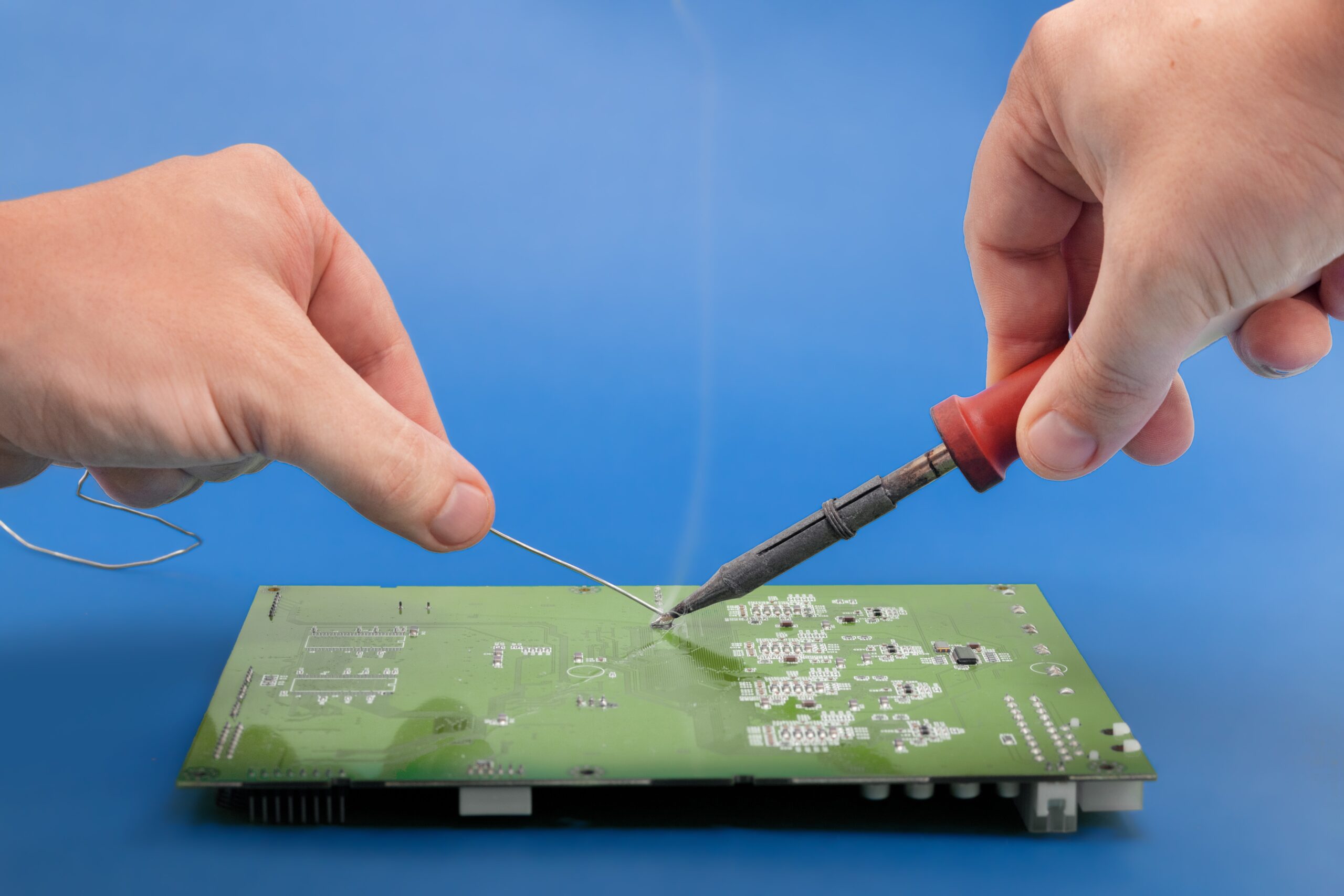
The much awaited standard EN 45554 for the assessment of repairability, reusability and upgradeability (RRU) of ecodesign products has finally been published. A major step towards better design and waste reduction, its methodology identifies criteria to determine how easy it is to repair, reuse or upgrade products ranging from household appliances to consumer electronics.

The upcoming webinar is your chance to find out more about the EU project dedicated to risk governance of engineered nanomaterials.
ECOS is co-funded by the European Commission and EFTA

 Funded by the European Union. Views and opinions expressed are however those of the author(s) only and do not necessarily reflect those of the European Union or EISMEA. Neither the European Union nor the granting authority can be held responsible for them.