2026 is a special year for ECOS. It marks a quarter century of bringing the environmental voice to standards. This important milestone has also been an opportunity to reflect on our journey and the way forward – and of course, to celebrate. From reflecting on our impact to our annual meeting with members to spotlighting the faces behind ECOS or learning about our partners experiences with us.

 By
By
Standards underpin public policies – and can be the make or break of their environmentally ambitious implementation. Delays in standardisation can considerably slow down the implementation phase, create uncertainty for businesses, and hinder innovation - but speeding up the development of standards should not come at the expense of quality.
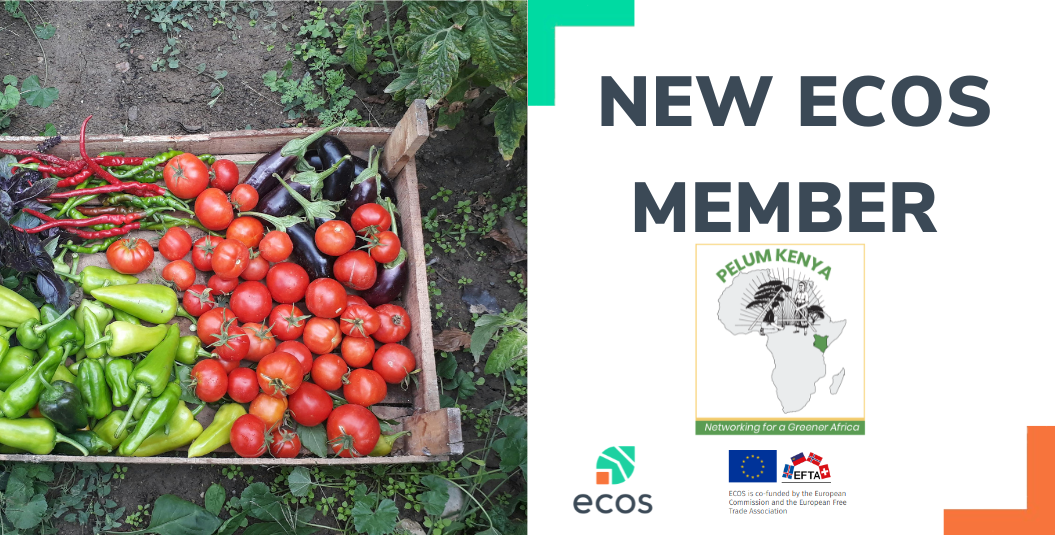
We are excited to welcome PELUM Kenya to the ECOS Network! They are a national network of organisations working to advance agroecological practices among small-scale farmers, pastoralists, and fisherfolk all over Kenya.
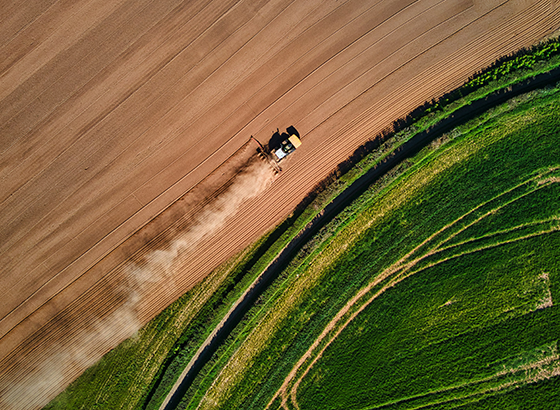
At ECOS, we work across sectors to ensure the technical rules that shape our economies also protect people and the planet. We now bring our expertise to the agrifood sector - where strengthening rules and standards could have profound environmental and social benefits.

 By
By
 By
By
Europe has all the tools necessary to ensure public money rewards innovative technologies, including low-carbon concrete. It only needs equal political ambition to be reflected in the Industrial Accelerator Act (IAA).
Buildings are where people live, work, learn, and heal. Yet European housing and construction policy defaults to metrics that obscure this: costs per square metre, emissions per floor area, units delivered per year. The European Affordable Housing Plan (EAHP) — and the simplification work underway — is an opportunity to change this logic and put the function a building serves for its users, and the resources it consumes over its lifetime, at the centre of how housing quality is defined, measured, and funded. Read on to learn how social lifecycle assessment (sLCA) and environmental LCA (eLCA), underpinned by strong European standards like EN 16309 on the social performance of buildings, can make this shift happen.

As digitalisation accelerates across Africa, how do we ensure the environmental impact of the ICT value chain is considered, from product design, use, reuse and end of life management? On 24 September in Nairobi, Kenya, join the conversation and contribute to shaping a sustainable digital future for Africa.
ECOS is co-funded by the European Commission and EFTA

 Funded by the European Union. Views and opinions expressed are however those of the author(s) only and do not necessarily reflect those of the European Union or EISMEA. Neither the European Union nor the granting authority can be held responsible for them.