
At the beginning of April, we communicated our position against the expansion of the scope of ISO Technical Committee 300 on Solid Recovered Fuels (SRF).
Do you think it is time to design batteries that are truly sustainable? Did you know that standards can make this happen? Watch our webinar to learn more!

On behalf of the STAR-ProBio project partners, we would like to invite you to an online workshop entitled “Assessing Sustainability of Bio-based Products: Where do we stand?”.

The implementation of the tethered caps requirement for beverage containers under the Single Use Plastics Directive has been quite cumbersome for the European Commission. After a first failed attempt at agreeing on the working mandate for standardisers, CEN now seems happy with the new version of the Standardisation Request presented by the European Commission for consultation at the end of March.
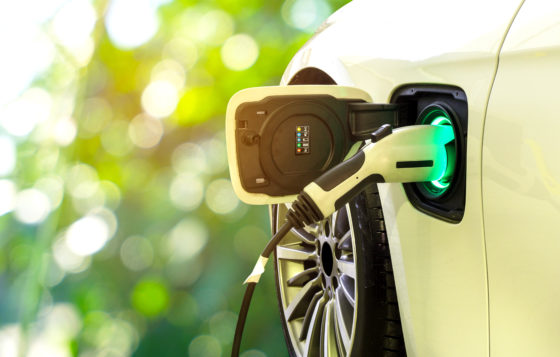
With an increase in electro-mobility expected in the coming years, it is important to ensure that the power grid remains stable and avoid an unmanaged charging of electric vehicles. Thanks to “smart charging”, EVs adapt to both user preferences and the conditions of the power system, secure the stability of the grid, reduce renewable energy curtailment, at the same time allowing higher shares of renewable energy. Smart charging helps reduce the need for expensive grid reinforcement and additional stationary batteries.
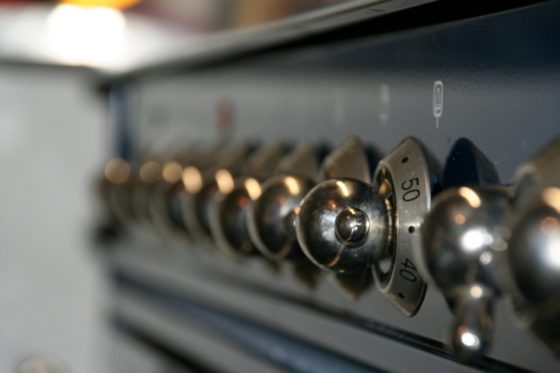
The European Commission is currently working on the review of the Ecodesign and Energy Labelling Regulations for domestic ovens, hobs and range hoods. The JRC, in charge of the preparatory study, presented their preliminary findings at a stakeholder webmeeting in March.

Our conference will explore how the construction sector can deliver the ambition of the EU’s Circular Economy Action Plan. The event will bring together a wide range of industry and environmental stakeholders to discuss current challenges and identify policies, laws and standards that can transform the construction sector from an environmental problem to part of the solution.
ECOS is co-funded by the European Commission and EFTA

 Funded by the European Union. Views and opinions expressed are however those of the author(s) only and do not necessarily reflect those of the European Union or EISMEA. Neither the European Union nor the granting authority can be held responsible for them.