
ECOS has called on the European Commission to take a bolder stance in the upcoming revision of the F-Gas Regulation and accelerate the phase-down of highly polluting fluorinated gases.

ECOS has submitted its views on two newly planned EU legislative initiatives to empower consumers for the “green transition” and for better “substantiated green claims”– two key pieces in the Circular Economy Action Plan and the New Consumer Agenda.

Responding to a series of EU consultations on infrastructure policy and the EU's vision on sustainable mobility by 2050, ECOS presented its views on the need for direct electrification.
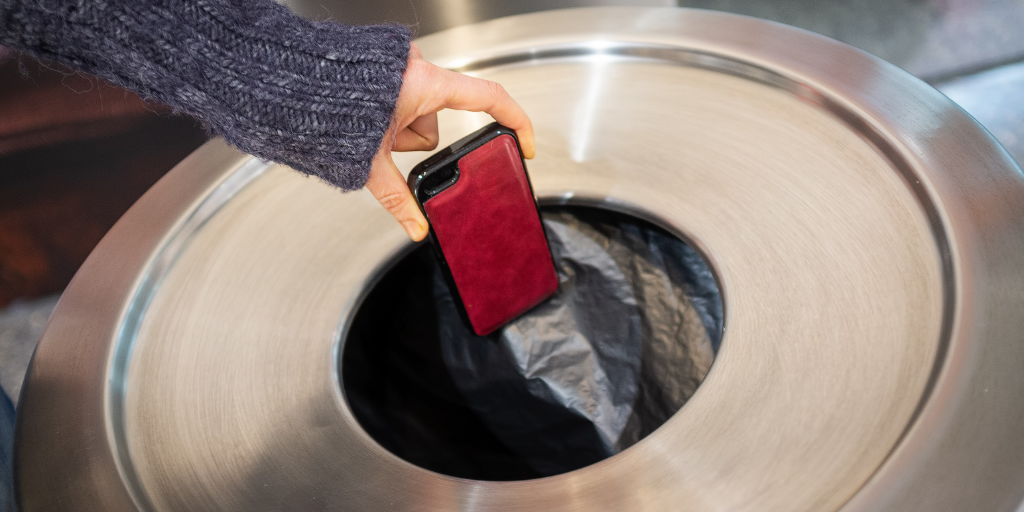
ECOS sent comments in response to the release of the first two draft reports of the preparatory study that will inform future ecodesign requirements for smartphones and tablets

On 1 September, representatives from EU member states formally approved the legal means to tether caps and lids to plastic bottles of up to three litres. It is the official starting signal for a two to three-year process in CEN to develop a standard that will allow the caps and lids requirement of the Single-Use Plastics Directive to be effective from day one.

Proposing 55% as the goal for greenhouse emissions reduction by 2030 is a step in the right direction, but it is not enough. The European Commission should show global leadership with 65% and set an example for decisive action to tackle the climate emergency.

We are looking for a highly motivated Programme Manager to join our Circular Economy team. The Programme Manager will manage our activities to limit the environmental impact of plastics, and chemicals in products to drive a circular economy.
ECOS is co-funded by the European Commission and EFTA

 Funded by the European Union. Views and opinions expressed are however those of the author(s) only and do not necessarily reflect those of the European Union or EISMEA. Neither the European Union nor the granting authority can be held responsible for them.