 By
By
ECOS is turning twenty! Since our founding in 2001, we have experienced significant growth, becoming a well-respected international environmental NGO, and a trusted and valued partner for standardisers and policymakers. Today, we are thrilled to unveil our new, modern brand identity, which marks a very important milestone in our journey.

9 February 2021 was a big day for the environment. Members of the European Parliament had the courage to say it as it is: the EU will only achieve a truly sustainable circular economy if we stop overconsuming. They clearly pointed to the key missing piece of the puzzle, calling for the introduction of two binding targets to significantly reduce the EU’s material and consumption footprints by 2030.

Coolproducts – a group of over 20 European NGOs, co-led by ECOS and the European Environmental Bureau (EEB) - welcomes the rescaled energy labels on home appliances and TVs but asks the EU to ramp up ambition to unlock game-changing savings.

12 environmental NGOs and representatives of waste treatment operators call for setting new European legal requirements to improve e-waste treatment, collection, logistics and preparation for reuse inspired from the existing European CENELEC standards.
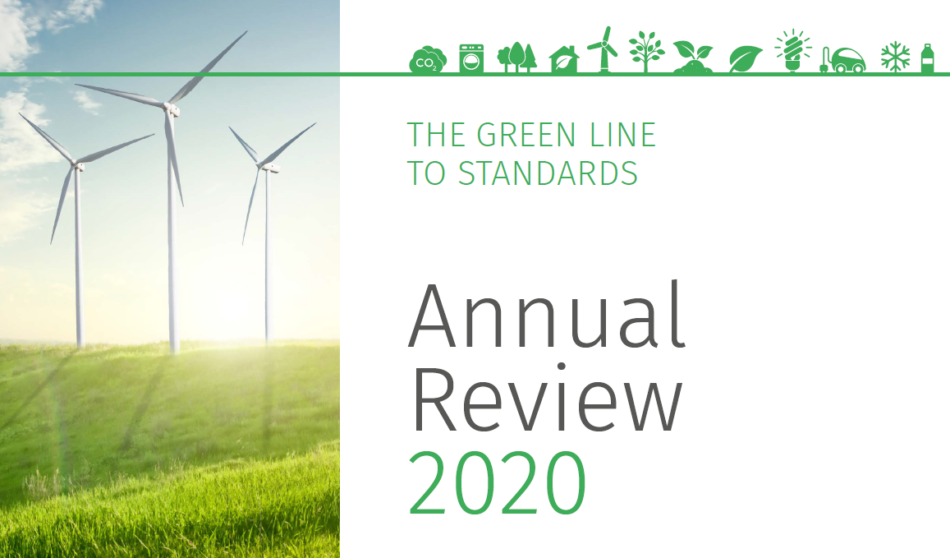
2020 was a year like no other. The pandemic forced thousands of organisations, including ECOS, to switch to remote work for most of the year. But COVID-19 was not the only problem we faced last year. While people focused on the disruption in their daily lives, the planet had its warmest year on record.
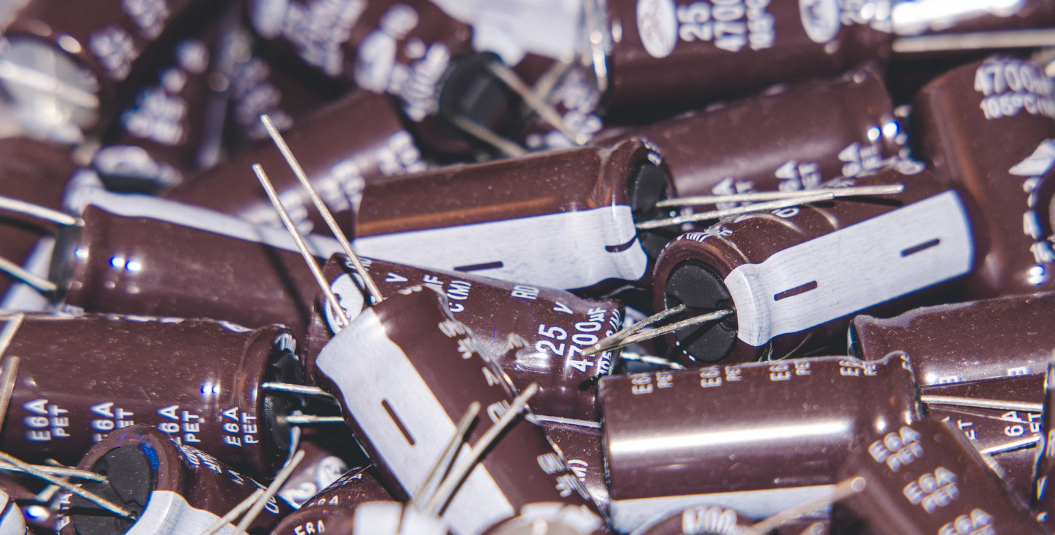
CEWASTE, a project funded under the European Union’s Horizon 2020 programme is developing a voluntary certification scheme for waste treatment. ECOS is a member of the CEWASTE project.

ECOS is co-funded by the European Commission and EFTA

 Funded by the European Union. Views and opinions expressed are however those of the author(s) only and do not necessarily reflect those of the European Union or EISMEA. Neither the European Union nor the granting authority can be held responsible for them.