
The so-called Single-Use Plastics Directive, which aims at reducing the impact of certain plastic products on the environment, was formally adopted and published in the Official Journal of the European Union in June 2019. It then entered into force on 2 July, thus beginning a two-year transposition period for EU Member States.
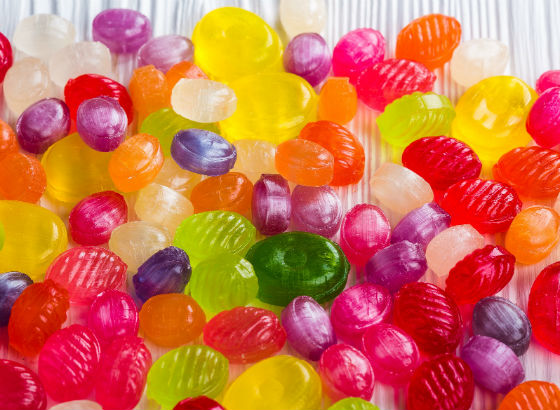
The NGOs call on the European Food Safety Authority, the European Commission and experts from national governments to adopt a precautionary approach in the upcoming discussion about the toxicity of E171, the food additive version of titanium dioxide.

Last June, the European Commission Technical Expert Group (TEG) published the first draft of the Taxonomy Technical Report, a classification of economic activities that could be claimed as environmentally sustainable. Even though in includes ambitious criteria for certain activities, we have serious concerns about the presence of dirty fossil fuels and the lack of fundamental sustainability requirements for other proposed activities.
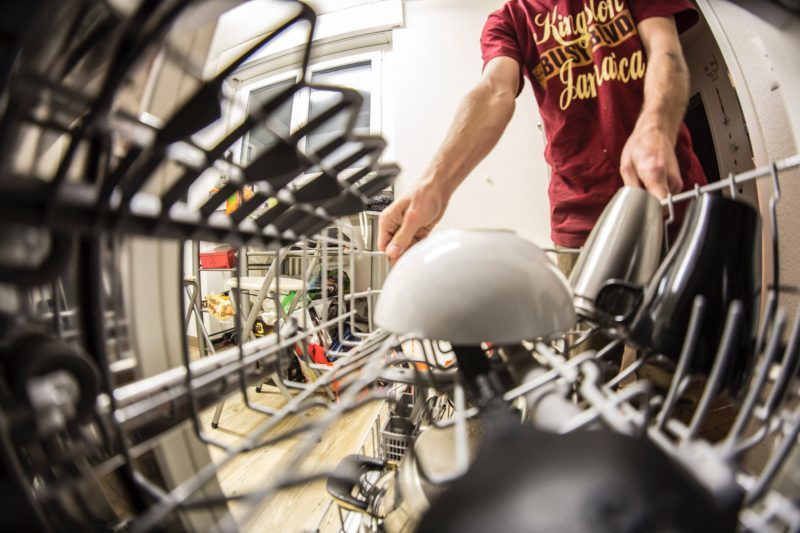
ECOS submitted a favourable opinion on the final draft standard for "Electric dishwashers for household use - Methods for measuring the performance (FprEN 60436)".
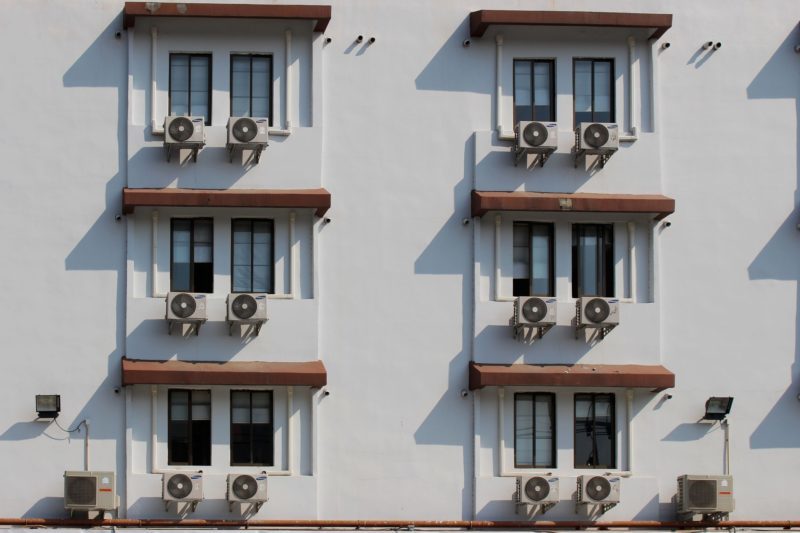
The rising temperatures and increasing frequency of heat waves result in a growing number of air conditioner and comfort fan units. These, in turn, contribute to direct GHG emissions from the intensive energy consumption and refrigerant leakage.
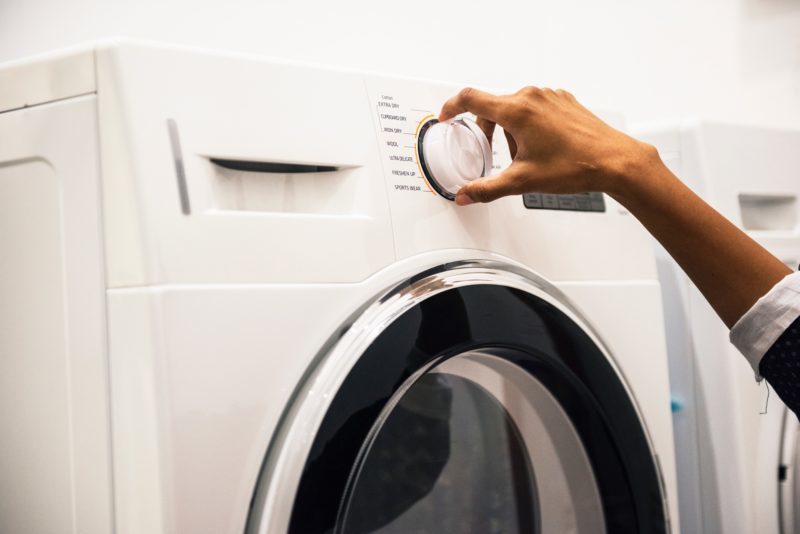
The European Commission approached the European Standardisation Organisations (ESOs) with the first draft Standardisation Requests (SR) to develop harmonised standards for two product categories: servers and data storage products on the one hand, and dishwashers, washing machines and washer-dryers on the other.

The summer holidays have been busy for the standardisation community as two of the standards developed under Commission Mandate 543 on material efficiency underwent a formal vote procedure.
ECOS is co-funded by the European Commission and EFTA

 Funded by the European Union. Views and opinions expressed are however those of the author(s) only and do not necessarily reflect those of the European Union or EISMEA. Neither the European Union nor the granting authority can be held responsible for them.