
ECOS is looking for a motivated Partnerships & Development Manager (part time) to support the work of our Operations Team

Sustainable batteries for electric cars, strategies to reduce our energy consumption, a renovation wave for buildings… Keeping up with what’s happening in environmental action can be overwhelming. And 2021 has all the makings to be a year filled with important new EU initiatives. No need to stress though - we help you cut through the noise with this mini-guide for the year 2021 in EU environmental policy.

2020 was an important year for climate action in Europe, with EU countries committing to at least a 55% emission reduction goal by 2030. However, not all seems to be going to plan: for no apparent reason the EU Commission has hit the brakes on ecodesign measures, a crucial set of policies slashing tonnes of CO2 emissions every year.

The European Commission published its Annual Union Work Programme for European Standardisation for 2021. It identifies the European standardisation deliverables the EU’s Executive plans to request throughout the year.
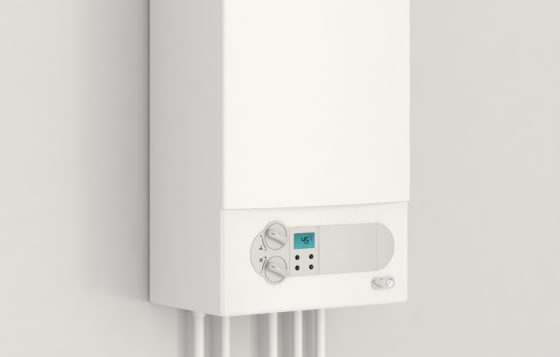
Addressing EU Commission Executive Vice-President Frans Timmermans in an open letter, the co-signatories underline that to achieve a higher 2030 EU climate target, massive emissions reductions in the building sector will be needed (<60% compared to 2015). This requires applying the energy efficiency first principle and boost the integration of renewables, as envisaged by the Renovation Wave strategy.

ECOS has recently joined the Cool Coalition, a global network of 100+ governments, businesses, finance, academia and civil society partners committed to cutting emissions from cooling appliances – a source of climate change rapidly growing as temperatures on the planet rise.

ECOS has joined 130 NGOs and experts who are sounding the alarm on the EU’s green finance rules, the ‘Taxonomy’, and calling for them to be rooted in science – led by WWF.
ECOS is co-funded by the European Commission and EFTA

 Funded by the European Union. Views and opinions expressed are however those of the author(s) only and do not necessarily reflect those of the European Union or EISMEA. Neither the European Union nor the granting authority can be held responsible for them.