
Earlier this year, France decided to ban titanium dioxide (TiO2, known as food additive E171) from all food products set to come into force by 1 January 2020. The ban follows on from the ongoing politically difficult evaluation of Ti02 through chemicals regulation processes, where France has played a lead role in the evaluation of the substance.
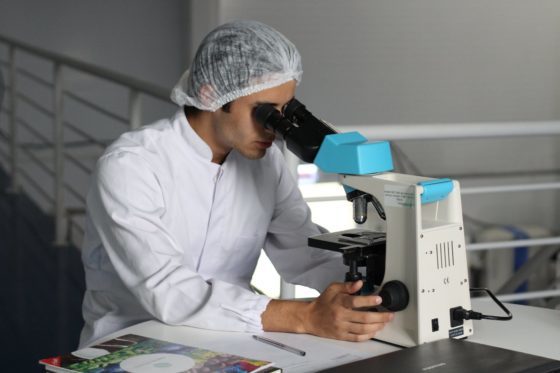
ECOS is partner in the EU-funded H2020 ANTICSS project, which aims at assessing and defining circumvention in relation to EU Ecodesign and Energy Labelling legislation and harmonised standards.

In another act that confirms its currently non-transparent and non-inclusive nature, a Technical Committee (TC) within the International Electrotechnical Commission (IEC) rejected our application to participate in its standard development process.
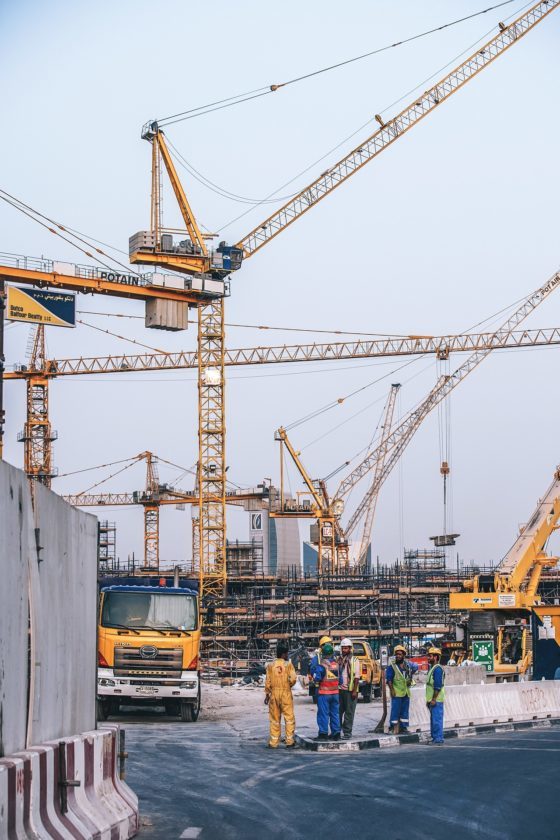
Together with the European Builders’ Confederation and Construction Products Europe, ECOS signed the Declaration on Circular Economy in Construction.

ECOS was recently accepted as liaison organisation in the new ISO Technical Committee (TC) 323 dedicated to circular economy. Together with delegates from all over the world, we attended the first meeting of the TC in Paris.
The kick-off meeting of the Horizon2020 project HARP (Heating Appliances Retrofit Planning) took place on 20-21 May.
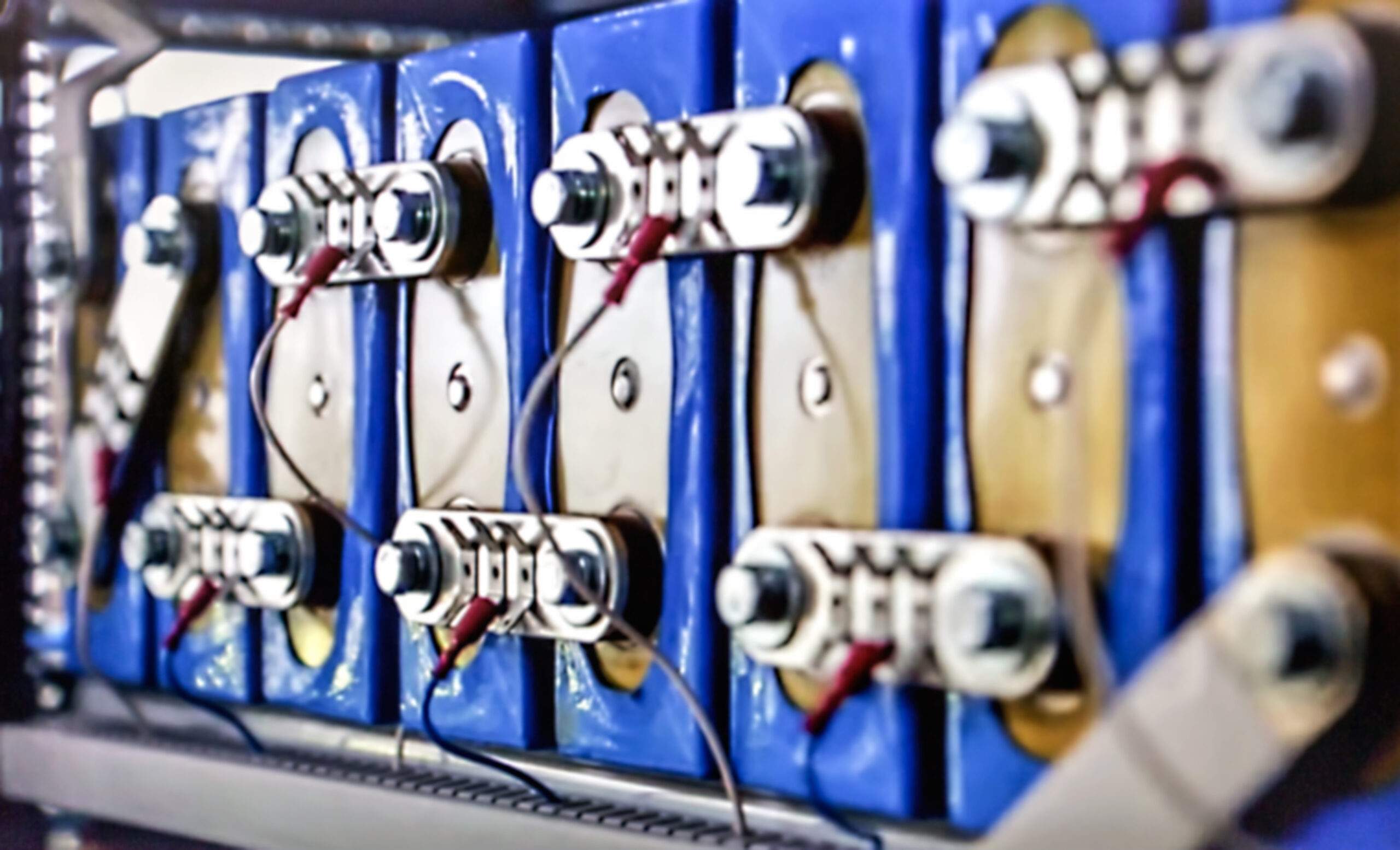
Adopting sustainability requirements for batteries is crucial, as the electrification and decarbonisation of various sectors, such as mobility and energy storage, depends on the rechargeable battery technology.
ECOS is co-funded by the European Commission and EFTA

 Funded by the European Union. Views and opinions expressed are however those of the author(s) only and do not necessarily reflect those of the European Union or EISMEA. Neither the European Union nor the granting authority can be held responsible for them.