
The European Standardisation Organisations CEN and CENELEC are setting out to define their strategic ambitions for the coming decade, and are currently in the process of developing a common 2030 Strategy. As part of this process, their members and partners were consulted on defining a vision and mission statement, and identifying a preliminary set of strategic goals for further deliberation.
In 2019, ECOS not only delivered on its objectives, but also continued to grow.Thanks to a committed team, members, external experts, and support from funders, we were able to expand our work to new policy areas and campaigns.
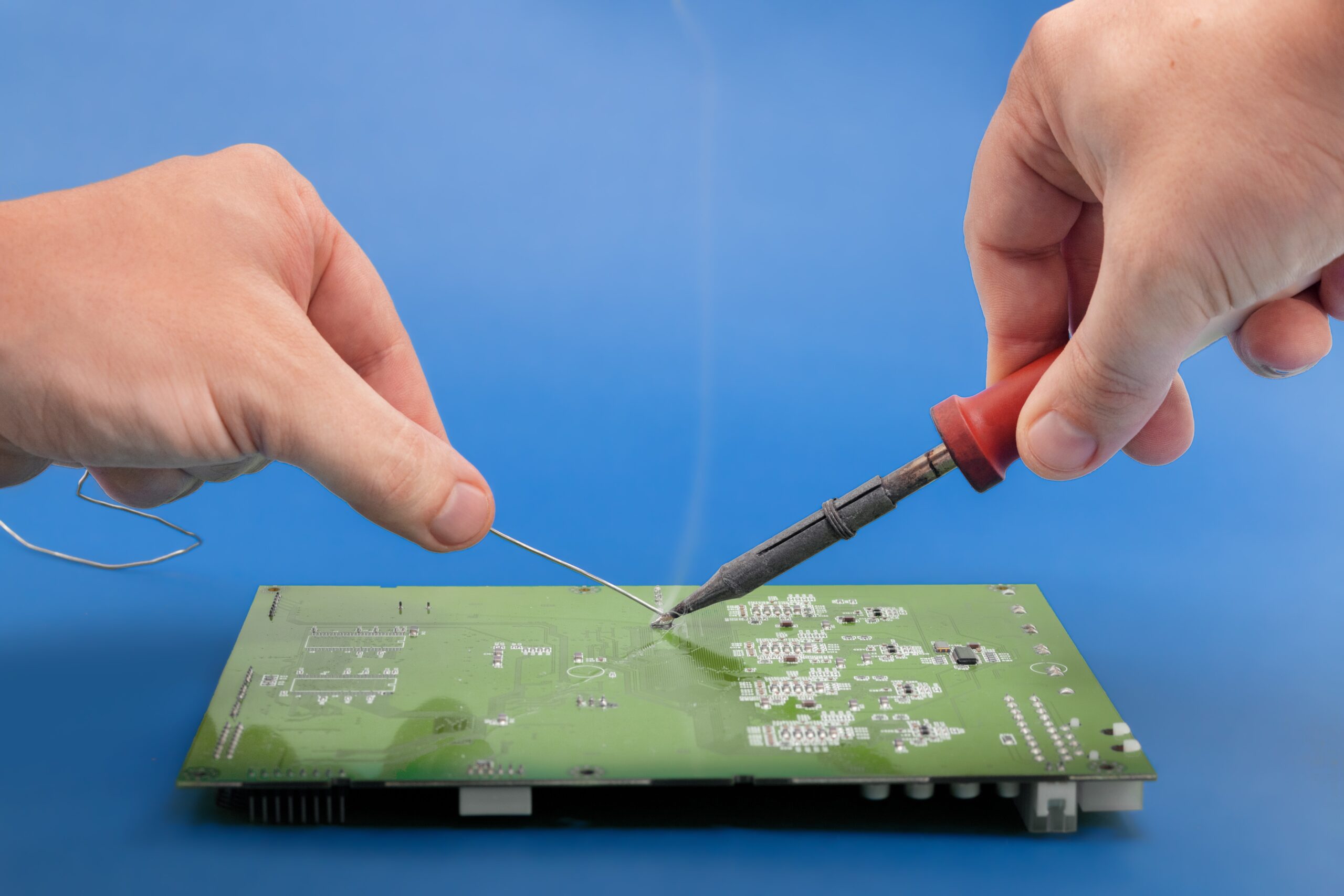
The much awaited standard EN 45554 for the assessment of repairability, reusability and upgradeability (RRU) of ecodesign products has finally been published. A major step towards better design and waste reduction, its methodology identifies criteria to determine how easy it is to repair, reuse or upgrade products ranging from household appliances to consumer electronics.

The upcoming webinar is your chance to find out more about the EU project dedicated to risk governance of engineered nanomaterials.

The Right to Repair campaign has been gaining momentum ever since its launch in September. The campaign co-led by ECOS has started the year with a series of actions to make smartphones and other ICT devices more repairable.
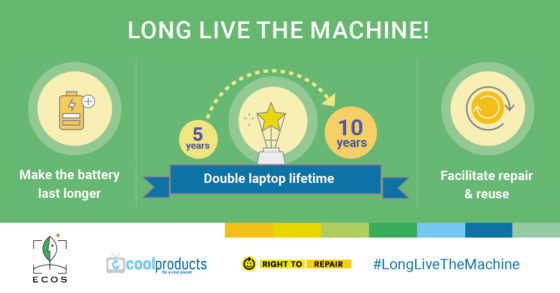
Our new report shows that the EU ecodesign and energy labelling regulatory instruments have a great potential to contribute to the reversal of the current throwaway culture, double laptop lifetimes, and save some 5 million tonnes of CO2 equivalent by 2030 – equivalent to taking nearly 3 million cars off the road.
Currently, project partners are immersed in the work package focusing on the assessment of circumvention impacts in laboratory testing. The aim is to analyse and demonstrate the risks of circumvention, and to assess its impacts by means of laboratory testing.
ECOS is co-funded by the European Commission and EFTA

 Funded by the European Union. Views and opinions expressed are however those of the author(s) only and do not necessarily reflect those of the European Union or EISMEA. Neither the European Union nor the granting authority can be held responsible for them.