Have you ever thought about proactively replacing your heating system with a more efficient, renewable alternative? Or are you waiting for it to break, as most consumers do?
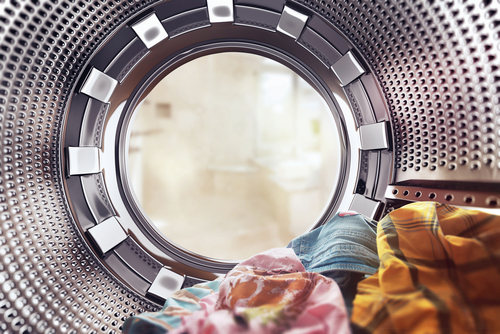
An improved standard to measure aspects such as energy efficiency of washing machines is expected to be published in early 2021.
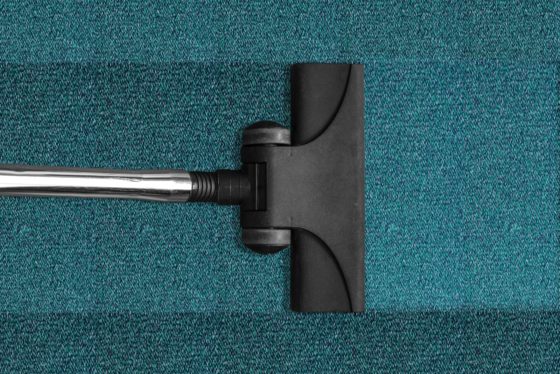
The current CEN-CENELEC work on methods to measure the performance of robot and cordless vacuum cleaners shows progress, which is why ECOS gave it a favourable opinion. Nonetheless, we expect further improvements as the standards are not yet good enough to prevent future potential abuse.


ECOS and the Rethink Plastic Alliance ask the EU Commission and Member States to improve the rules for packaging in the European Union.
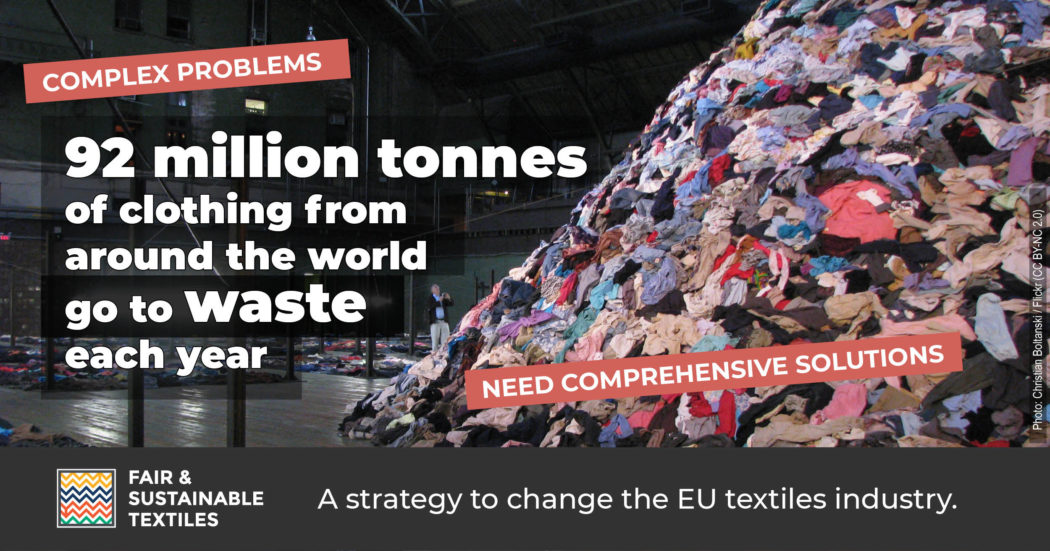
A group of 53 Members of the European Parliament (MEP) from across the political spectrum has written a letter to Commissioners Sinkevičius, Hogan, Reynders, and Urpilainen endorsing civil society’s approach to rethinking the global textile value chain.

"Business as usual" is no longer an option in the face of our current climate crisis. Industry accounts for 14% of overall greenhouse gas emissions in the EU. To meet the EU’s climate neutrality target and address the ever-increasing environmental impacts from industrial production processes, we need to embark European industry on a net-zero, non-toxic environment pathway.
ECOS is co-funded by the European Commission and EFTA

 Funded by the European Union. Views and opinions expressed are however those of the author(s) only and do not necessarily reflect those of the European Union or EISMEA. Neither the European Union nor the granting authority can be held responsible for them.