
If the label on the bottle in your hand said it was made from recycled plastic, would you believe it? Depending on the method behind the claim, the bottle might contain little to no recycled content at all. This position paper highlights recommendations to ensure that the methodologies for determining recycled content are developed in a manner which contributes to a circular economy, in a broad range of sectors: from single-use packaging to vehicles from electronics to textiles.

In 2021, we will focus our efforts on calling for the sustainability and circularity of all products, reliable green claims for consumers, a phase-out of fossil fuels in heating and a boost to the uptake of natural refrigerants. Read our work programme and learn more about our plans for 2021.

ECOS sent their recommendations for the upcoming EU strategy for sustainable textiles, as part of the European Commission’s call for feedback from stakeholders. The strategy aims to help the EU shift to a climate-neutral, circular economy where products are designed to be more durable, reusable, repairable, recyclable and energy-efficient.

We are looking for a highly motivated Intern to join our Climate & Energy team, with a particular focus on the decarbonisation of the heating sector
ECOS is looking for a motivated Partnerships & Development Manager (part time) to support the work of our Operations Team

Sustainable batteries for electric cars, strategies to reduce our energy consumption, a renovation wave for buildings… Keeping up with what’s happening in environmental action can be overwhelming. And 2021 has all the makings to be a year filled with important new EU initiatives. No need to stress though - we help you cut through the noise with this mini-guide for the year 2021 in EU environmental policy.
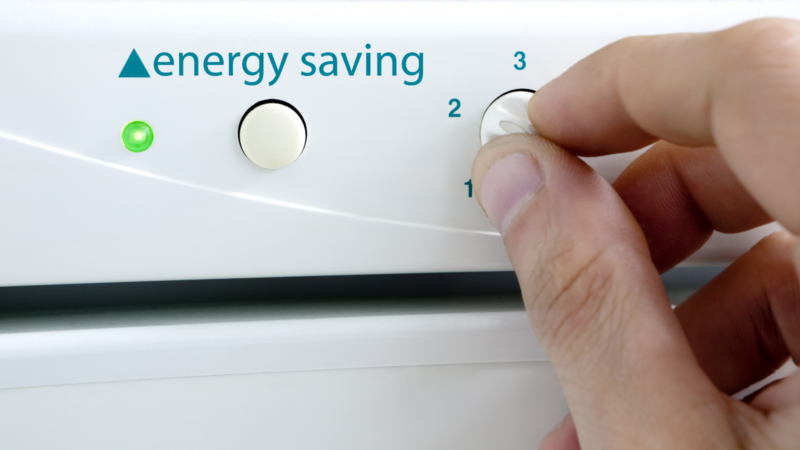
2020 was an important year for climate action in Europe, with EU countries committing to at least a 55% emission reduction goal by 2030. However, not all seems to be going to plan: for no apparent reason the EU Commission has hit the brakes on ecodesign measures, a crucial set of policies slashing tonnes of CO2 emissions every year.
ECOS is co-funded by the European Commission and EFTA

 Funded by the European Union. Views and opinions expressed are however those of the author(s) only and do not necessarily reflect those of the European Union or EISMEA. Neither the European Union nor the granting authority can be held responsible for them.