

A key member of the Executive Management Team, reporting directly to the Executive Director, the position will also be accountable to the Executive Committee of ECOS, and work closely with the Treasurer. The Operations Director will lead a growing team currently consisting of the Senior Finance and Grants Manager, HR & Administration Manager, and Partnerships & Development Manager.
Despite ambitious EU targets for carbon neutrality by 2050, and a 55% reduction target by 2030, the European Commission’s draft revision to ecodesign regulation [1] would allow the continued sale and installation of new gas boilers in the EU for at least the next decade.
The Finance and Admin Trainee will support the work of the Operations team in the ECOS Secretariat, and in particular the Finance and Grants Manager and HR and Administration Officer.

Environmental organisations call on the European Commission to allocate the appropriate resources to ecodesign and energy labelling policies. Delays in ecodesign and energy labelling policies are estimated to cost consumers 40 billion euro by 2030.

In July, we sent to the European Commission our views on their Roadmap for the Standardisation Strategy.
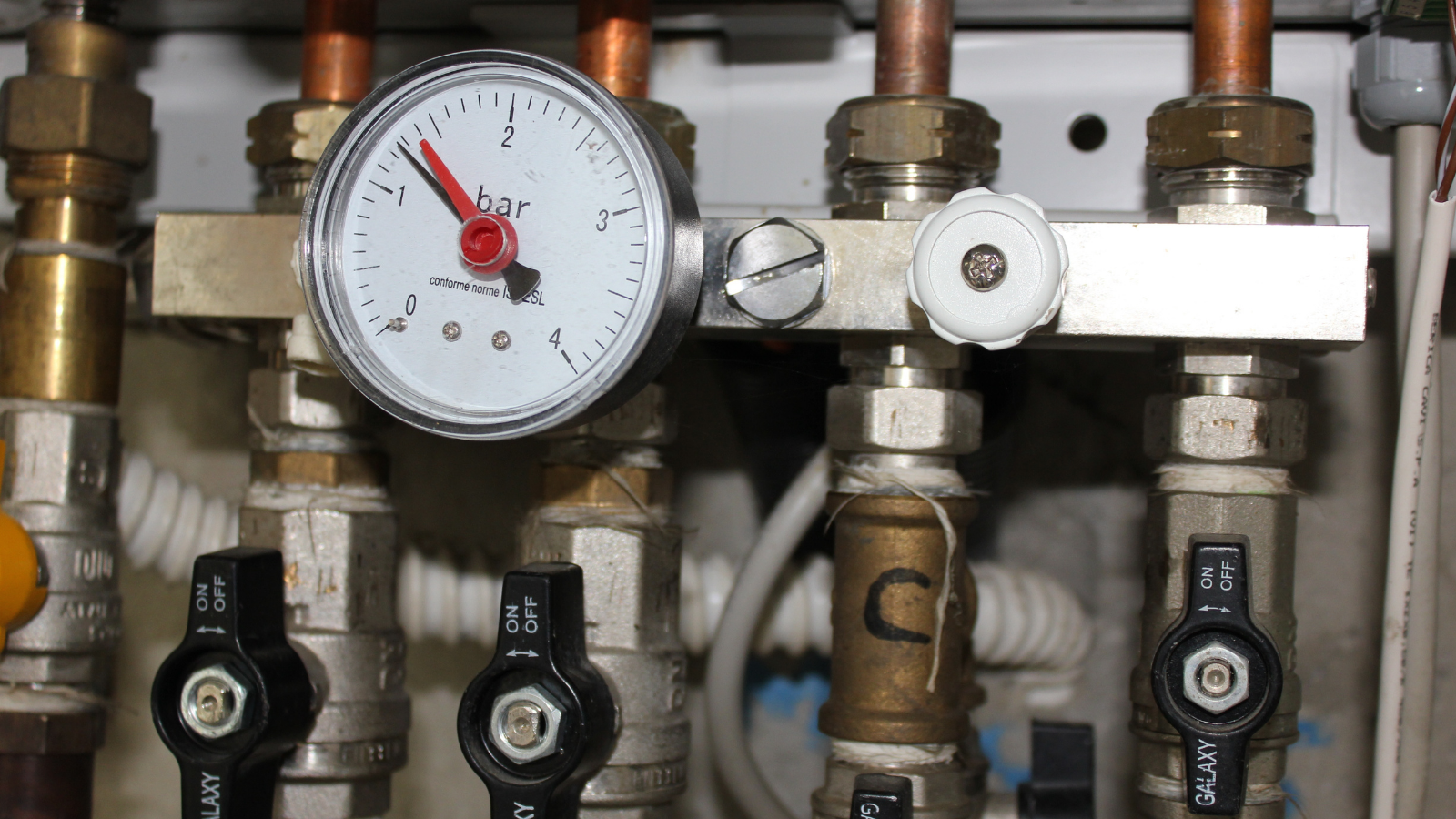
The new ecodesign and energy labelling plans presented by the European Commission in July do not propose a ban on oil- and gas-fired boilers. National EU governments will debate the proposal on 27 and 28 September.

Celebrate World Standards Day with us! What better way than to learn about defending the environment in standardisation? Register for an exclusive opportunity to find out all about civil society in standardisation.
ECOS is co-funded by the European Commission and EFTA

 Funded by the European Union. Views and opinions expressed are however those of the author(s) only and do not necessarily reflect those of the European Union or EISMEA. Neither the European Union nor the granting authority can be held responsible for them.