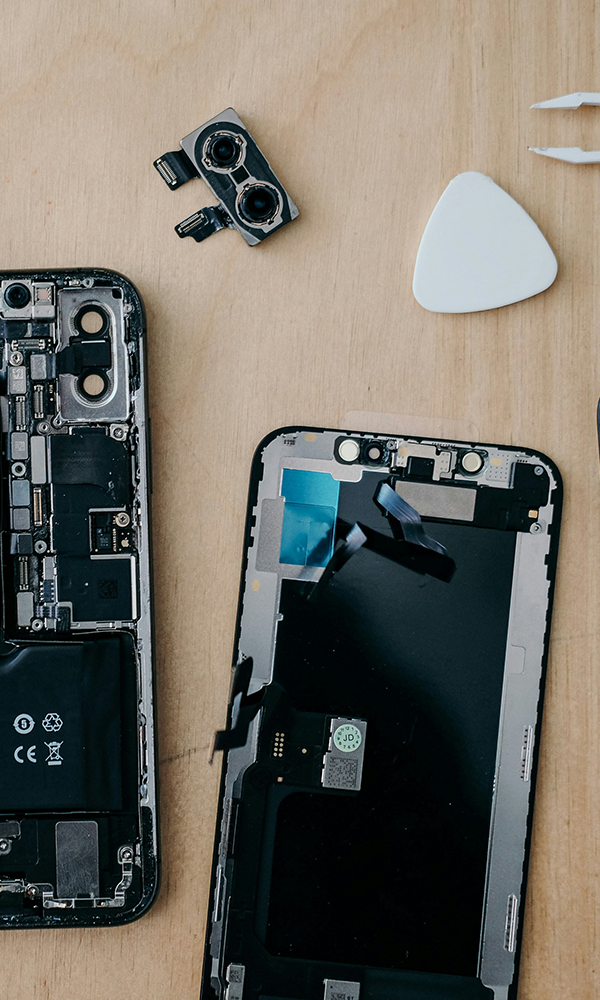
Demand for electronics surges every year, but we struggle to manage the impacts. Vast amounts of raw materials are extracted for production, and when electronics eventually become waste, only 17.4% of it is properly handled. A lot of e-waste is illegally dumped in low or middle-income countries, causing conflicts, human rights abuses, and environmental degradation. ECOS envisions a sustainable, circular future where electronics are easy to maintain, repair, reuse, and recycle. In a society so reliant on electronics, ambitious rules to ensure they are sustainable throughout their life cycle are a must – from resource extraction, to design, recycling, and waste.


Alliances and campaigns




ECOS is co-funded by the European Commission and EFTA

 Funded by the European Union. Views and opinions expressed are however those of the author(s) only and do not necessarily reflect those of the European Union or EISMEA. Neither the European Union nor the granting authority can be held responsible for them.