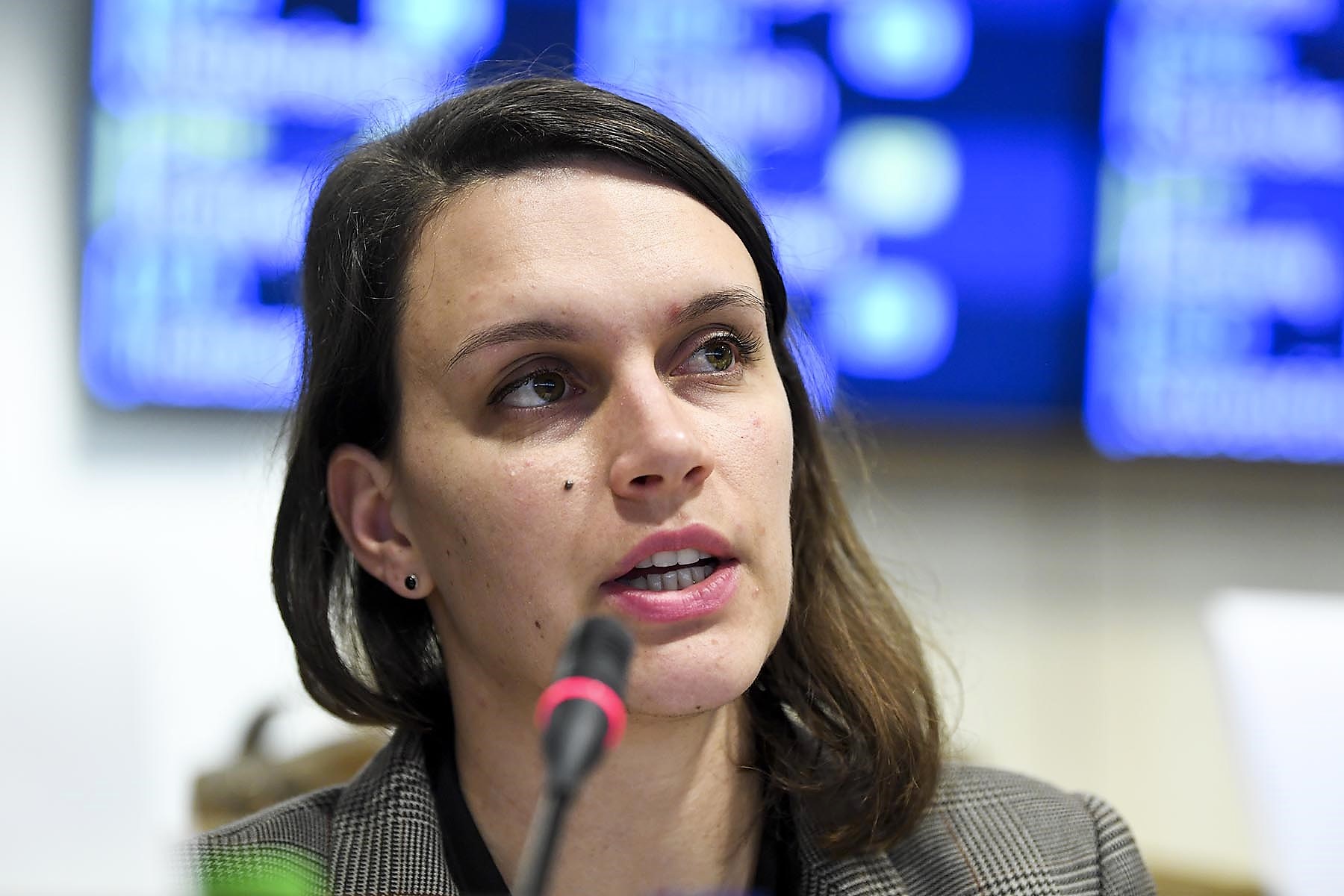
Our Programme Manager Mélissa Zill brought the NGO perspective to a debate at the TEN Section of the European Economic and Social Committee on Wednesday 5 February.
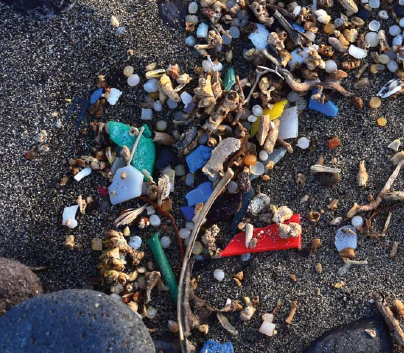
In the EU alone, 167 000 tonnes of plastic pellets enter the environment every year, making it the second largest source of primary microplastic pollution after tyre wear and tear. The good news is, this can easily be prevented. How? Read our one-pager and find out!

ECOS is looking for experts in the field of Circular Economy & plastics to represent and defend environmental interests in the development of standards. Our experts provide us with technical and scientific input and represent us in technical standardisation and policy discussions.
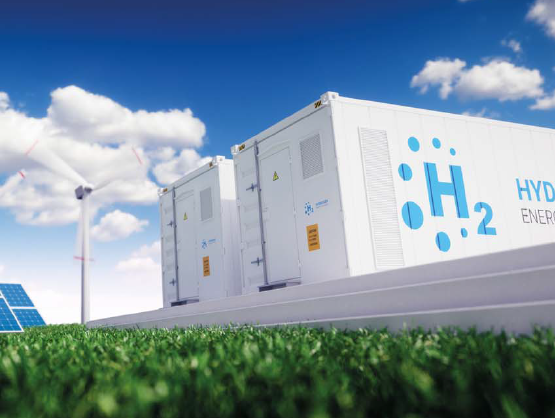
The simplest, lightest and most plentiful element in the universe, hydrogen quickly rose on the political agenda as an easy way to decarbonise energy systems. Unfortunately, it is rather far from being a clean solution.
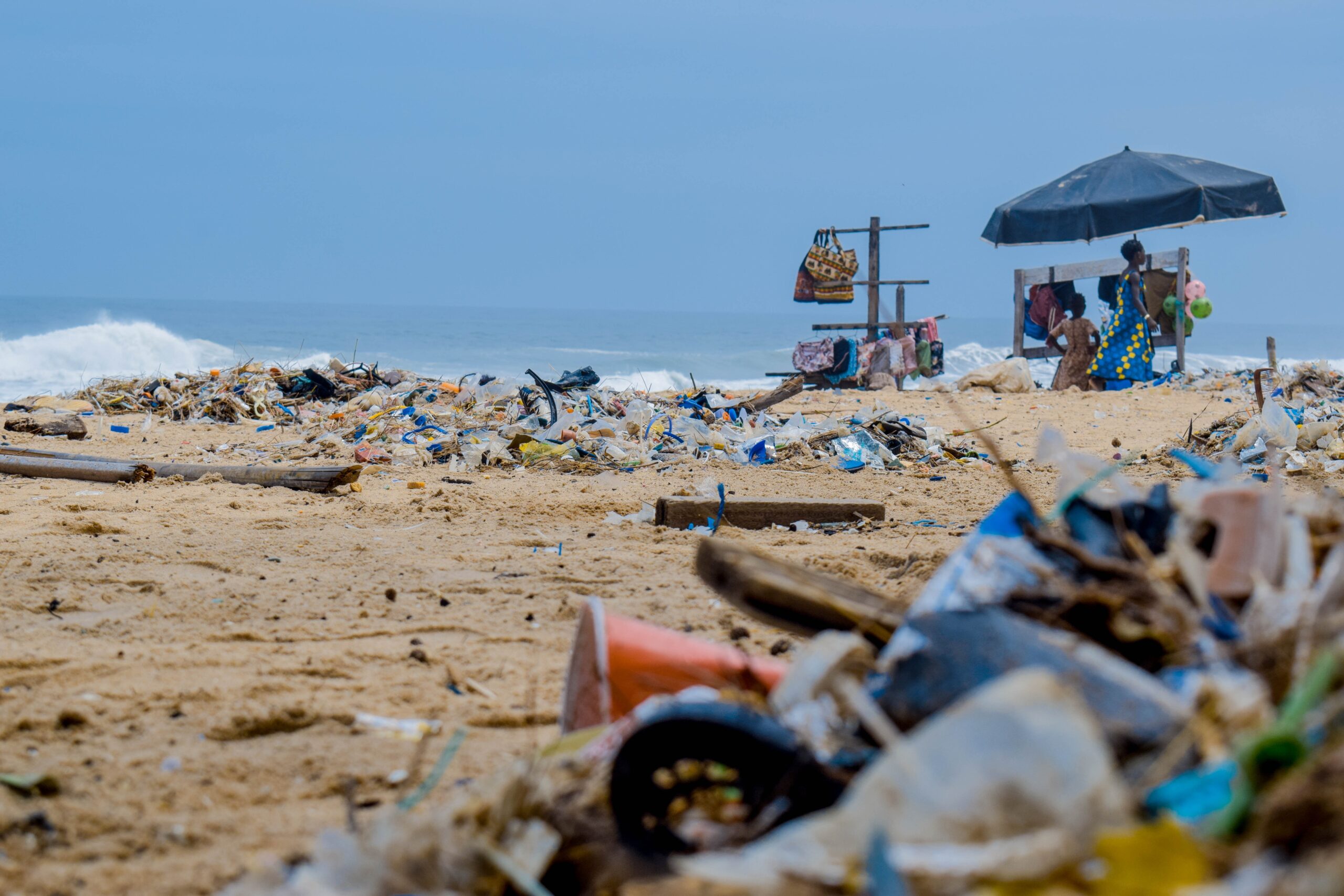
In December, the European Standardisation Body CEN rejected the European Commission’s request to develop a standard for caps and lids to remain attached to beverage containers. This, seemingly small, design adaptation would have helped prevent 10% of plastic litter found on European beaches.
ECOS is looking for one or more experts in the field of Steel as part of our work on Energy Intensive Industries to represent and defend environmental interests in the development of standards. Our experts provide us with technical and scientific input and represent us in technical standardisation and policy discussions.

In December, the European Commission published its much-anticipated European Green Deal, a framework communication outlining the Commission’s plan to ensure Europe embarks on a more sustainable path, decouples resource use from economic growth, and reaches net zero emissions of greenhouse gases by 2050.
ECOS is co-funded by the European Commission and EFTA

 Funded by the European Union. Views and opinions expressed are however those of the author(s) only and do not necessarily reflect those of the European Union or EISMEA. Neither the European Union nor the granting authority can be held responsible for them.