
ECOS is looking for an experienced Policy Director to take up a key leadership role in the organisation.

In June 2020, ECOS submitted feedback to the initial roadmap for the “Renovation Wave Initiative”. The Commission is expected to publish a final proposal by autumn 2020.
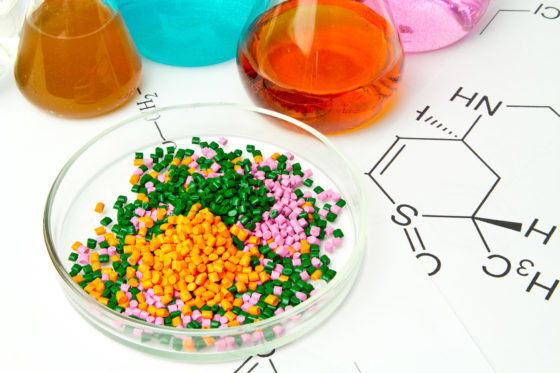
ECOS has joined the steering group developing a new standard on responsible plastic pellets waste management, set up by the British Standardisation Institute (BSI). It aims to tackle spills of these materials – they are the second largest source of primary microplastic pollution after tyre wear and tear.
Have you ever thought about proactively replacing your heating system with a more efficient, renewable alternative? Or are you waiting for it to break, as most consumers do?
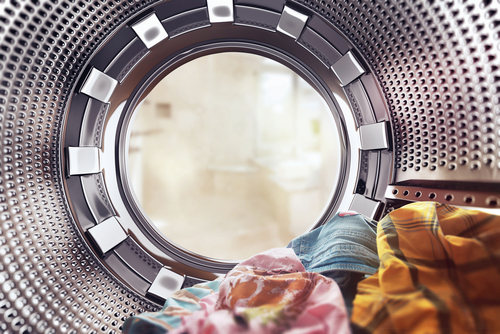
An improved standard to measure aspects such as energy efficiency of washing machines is expected to be published in early 2021.
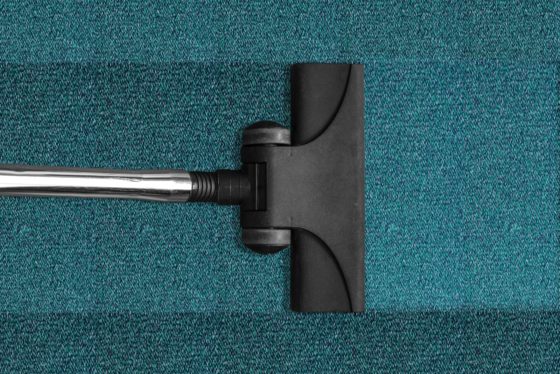
The current CEN-CENELEC work on methods to measure the performance of robot and cordless vacuum cleaners shows progress, which is why ECOS gave it a favourable opinion. Nonetheless, we expect further improvements as the standards are not yet good enough to prevent future potential abuse.

ECOS is co-funded by the European Commission and EFTA

 Funded by the European Union. Views and opinions expressed are however those of the author(s) only and do not necessarily reflect those of the European Union or EISMEA. Neither the European Union nor the granting authority can be held responsible for them.