
We are looking for a highly motivated Head of Buildings & Industry to lead our high-impact work towards a decarbonised, sustainable and circular built environment and industry.

 By
By
 By
By
 By
By
In a landmark decision that will help to shape the products we consume for many years, the European Parliament has chosen to accelerate the development of sustainable products in Europe. Extending ecodesign principles is a must – for producers, consumers, and the environment. We hope to see the Parliament’s ambition carried over into the final text of the ESPR (Ecodesign for Sustainable Products Regulation).
 By
By
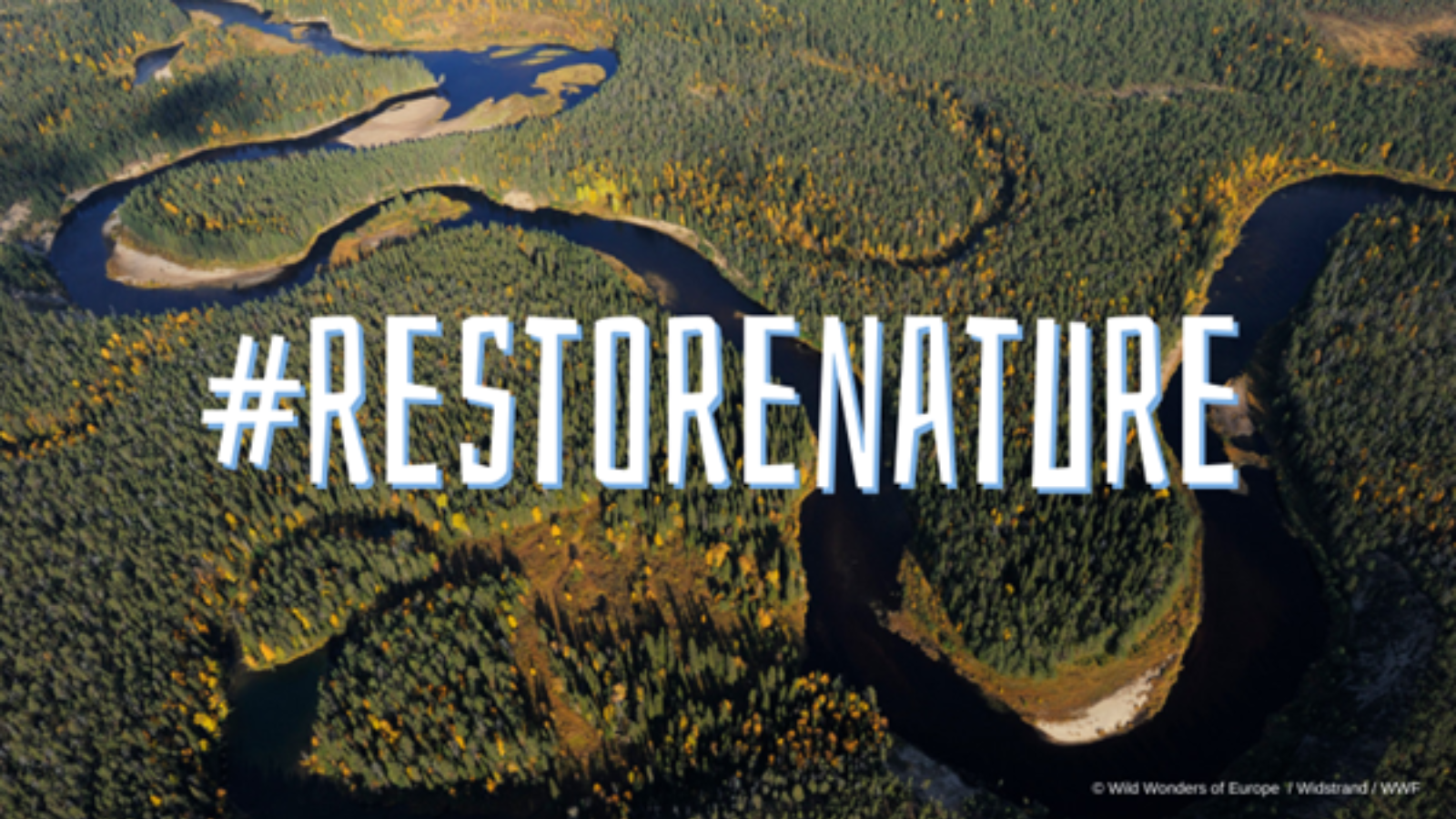
Nature is all around us – giving and sustaining life. But we must ensure that we see the forest for the trees. The impassioned debate that enveloped the EU’s Nature Restoration Law earlier this month demonstrated the importance of taking a breath and stepping back from the business of our daily routines. We must remember that we owe much to nature. Policymakers and regulators all over the world have a duty to protect it.

 By
By
From the bottom of your drawers to the mountains of e-waste pilling up around the world, evidence of the ephemeral lifecycle of our ICT and electronic products is everywhere. ECOS and its partners are fighting for EU legislation and international standards to end this disaster through rules applying to the design of these products, from your smartphone to your printer. We count some successes, but there is a long way to go before the world’s e-waste is reduced.
 By
By
By
By
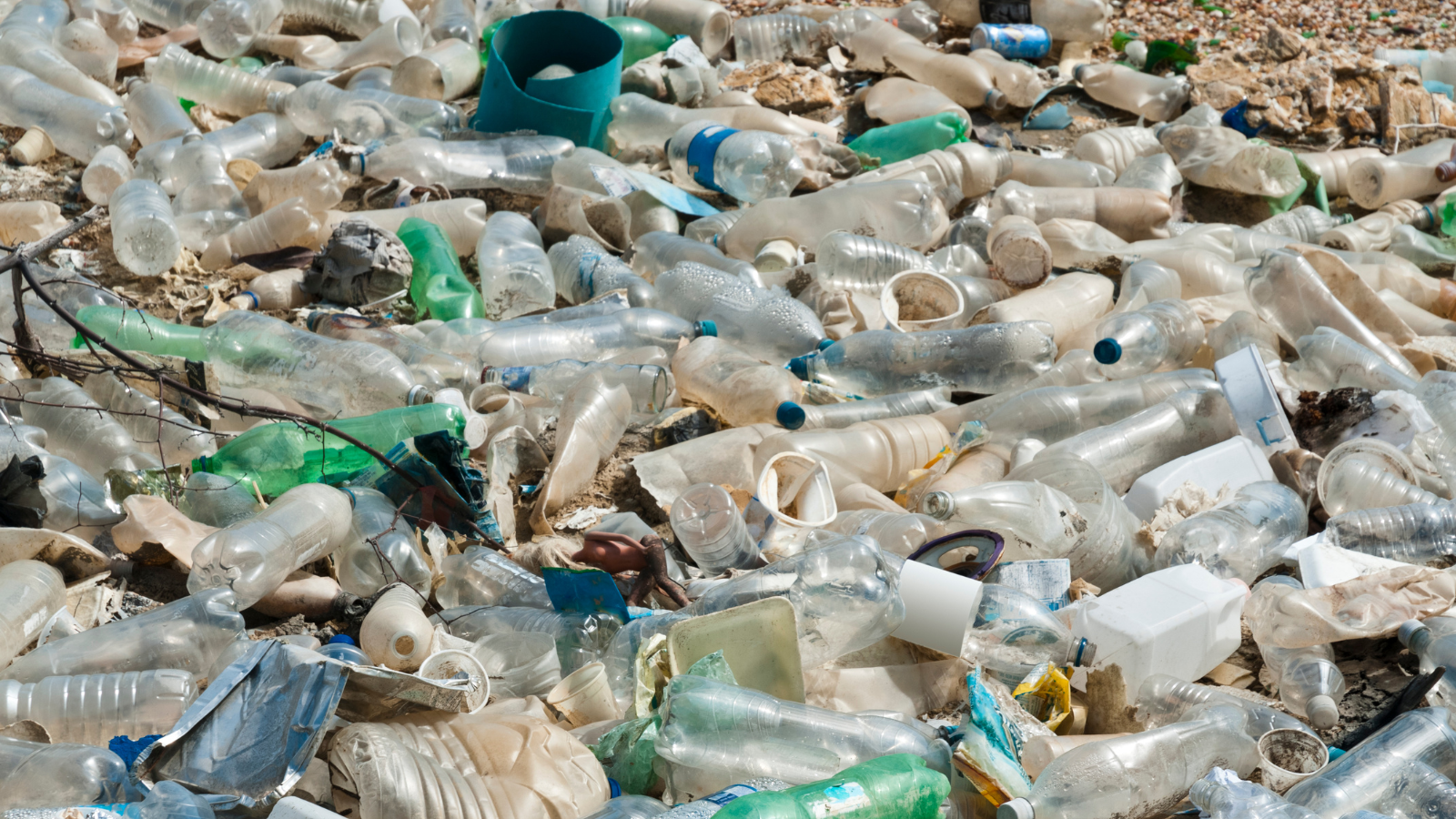
A UN Global Treaty to End Plastic Pollution could be an essential piece of the puzzle to reach the 2030 sustainable development goals – but success is not guaranteed. ECOS is contributing to the treaty decision-making process as an official observer, advocating for high ambition and the integration of ambitious standards that protect the environment.
 By
By
Soil, and the multitude of organisms that live in it, make life on land possible. It provides us with food, with biomass and fibres, and with raw materials. It regulates the water and the carbon and nutrient cycles. Healthy soils are also the largest terrestrial carbon pool on the planet. Coupled with their sponge-like ability to absorb water and reduce the risk of flooding and drought, this makes soil an indispensable ally in climate change mitigation and adaptation.

ECOS is looking for a Membership Assistant who will report to and work closely with the Membership & Network Manager.
ECOS is co-funded by the European Commission and EFTA

 Funded by the European Union. Views and opinions expressed are however those of the author(s) only and do not necessarily reflect those of the European Union or EISMEA. Neither the European Union nor the granting authority can be held responsible for them.