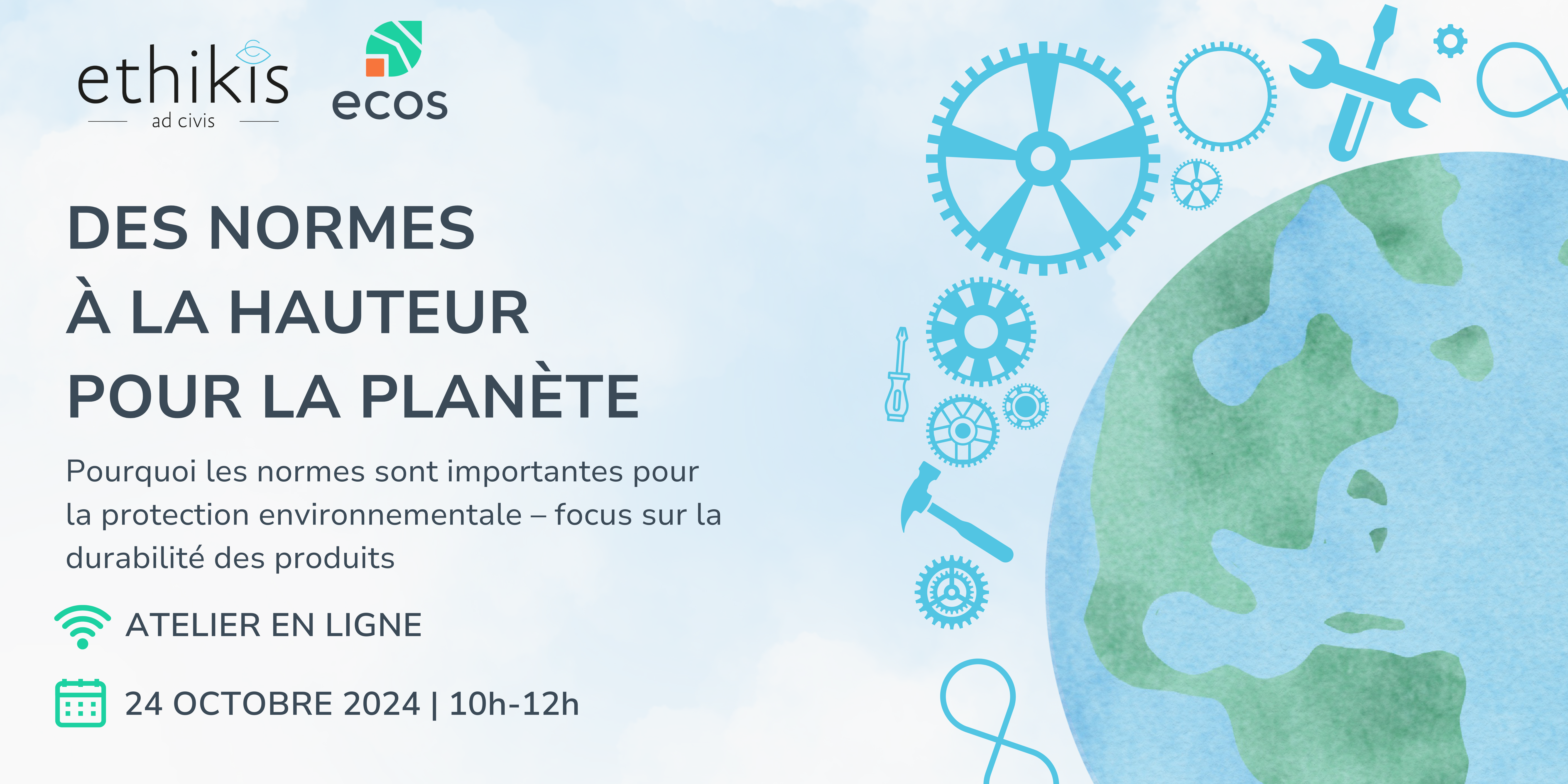
Together with our member Ethikis, we are organising an online workshop focusing on why and how civil society should get involved in standardisation in France. The effective participation of environmental NGOs in standards-making is key to making sure our planet is protected by robust rules – and this year we are focusing on the case of durability.
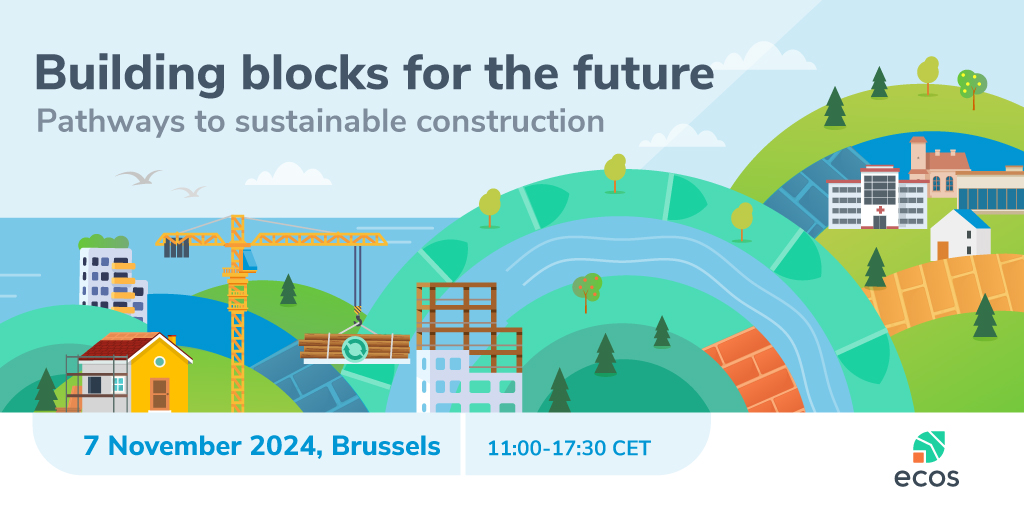
Register now to join conference to explore the pathways to sustainable construction and the role green public procurement will play in getting us there.
The first edition of the ECOS Network Days took place on 11 and 12 June 2024 in Brussels and online. At the General Assembly members approved the new strategy of ECOS. They were joined afterward by ECOS experts for an exchange around our environmental priorities and our annual training on standardisation and the environment.
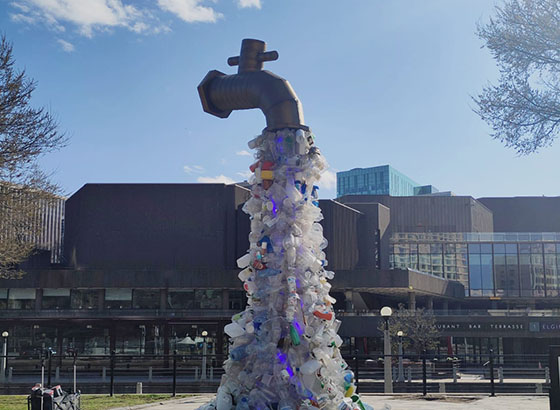
Join us on 10 July (new date) for an insightful online session to discuss critical developments from the Plastics Treaty negotiations. We will look at outcomes from the last negotiations as well as next steps, the expectations for the upcoming negotiations, and the role of standards in implementing a treaty that reduces plastic pollution.
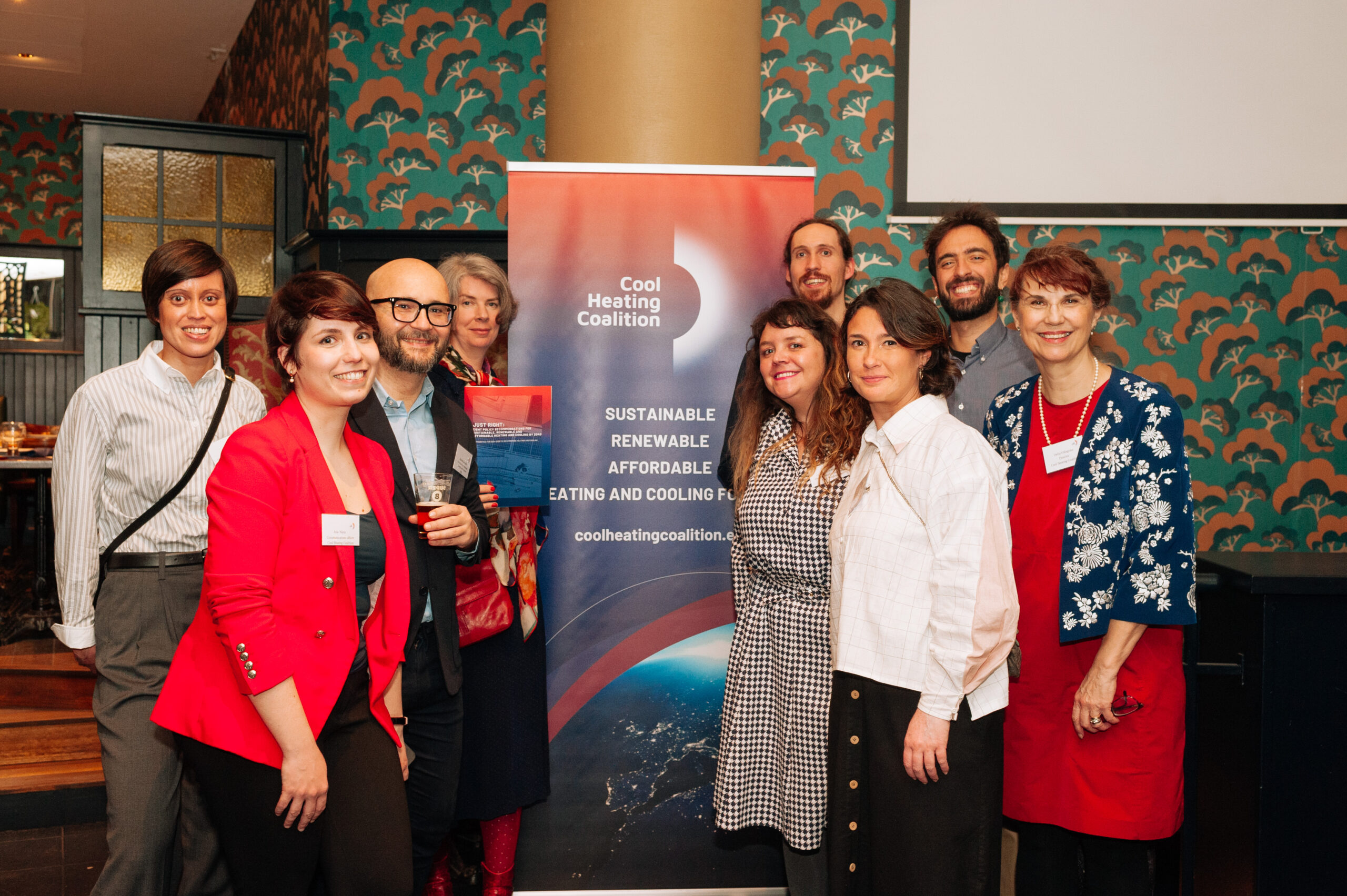
Decarbonising how we heat and cool our homes is a central part of the transition to a low-carbon built environment. Responsible for a staggering 80% of the energy consumed by EU households, less than one-quarter of that comes from renewables. Most heating and cooling is still powered by fossil fuels – but that must change. ECOS has joined forces with a new partner to help make it happen: the Cool Heating Coalition.
We look forward to seeing our members and experts on 11 and 12 June in Brussels for two days packed with exciting activities!
ECOS invites civil society organisations to join us online on 23 April at 10:00 (CEST) for a briefing to discuss the next steps for implementing the the EU Ecodesign for Sustainable Products Regulation (ESPR).
ECOS is co-funded by the European Commission and EFTA

 Funded by the European Union. Views and opinions expressed are however those of the author(s) only and do not necessarily reflect those of the European Union or EISMEA. Neither the European Union nor the granting authority can be held responsible for them.