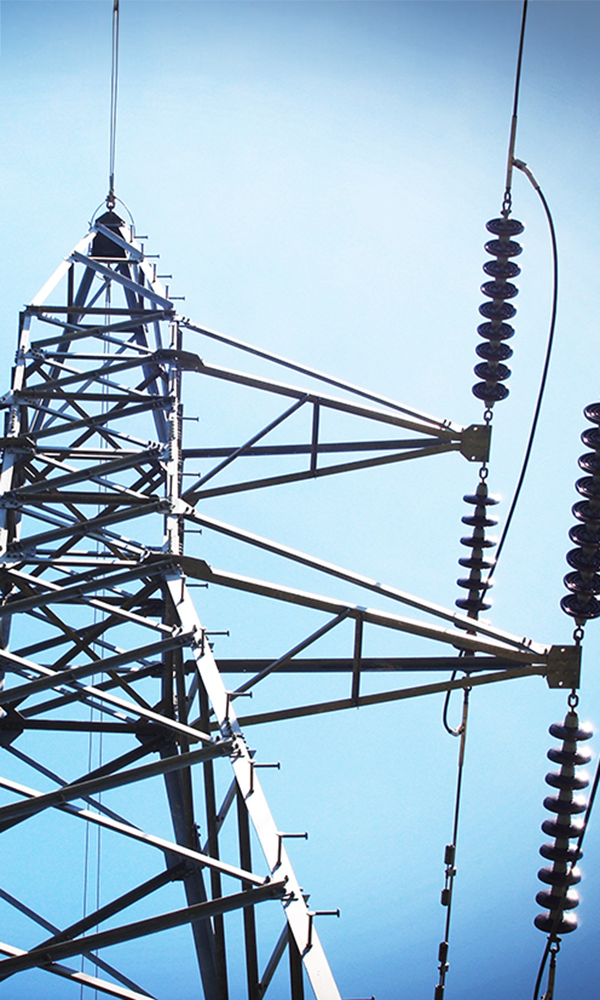
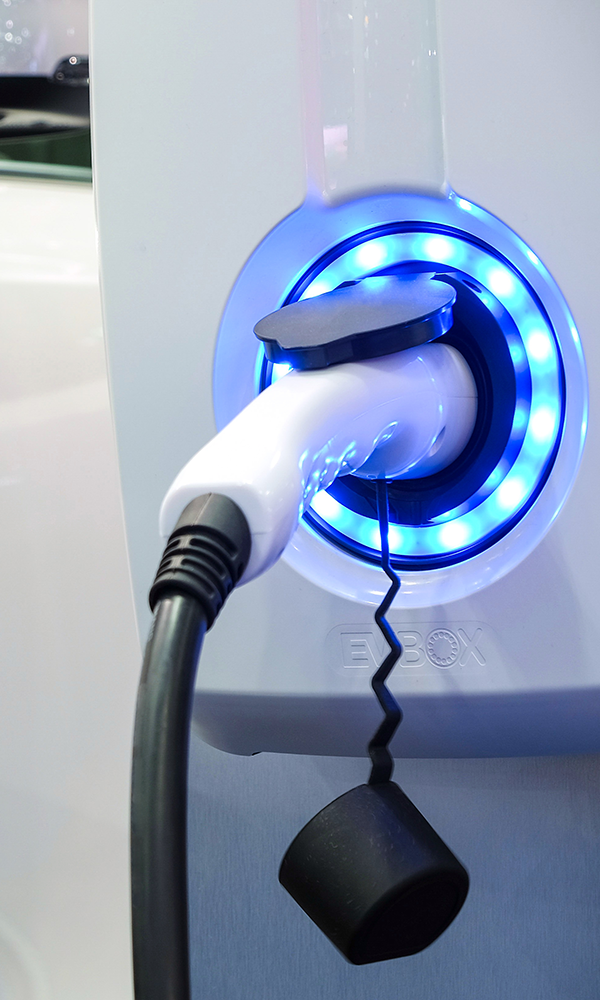
We need energy to power our lives, but it does not have to come at a high environmental cost. To live within our planet’s boundaries, we must transition to renewables instead of continuing to rely on destructive fossil fuels. Globally, 80% of energy used – including for electricity, heating, transport, and manufacturing – still comes from fossil fuels, damaging our planet, environment, air quality, and health. With so many renewable energy solutions available, fossil fuels must become a thing of the past – today. But which solutions should we use – and for what? ECOS helps to answer those questions.

Alliances and campaigns





ECOS is co-funded by the European Commission and EFTA

 Funded by the European Union. Views and opinions expressed are however those of the author(s) only and do not necessarily reflect those of the European Union or EISMEA. Neither the European Union nor the granting authority can be held responsible for them.