
How to ensure accurate and reliable green steel labels
Green steel claims can falsely inflate environmental credentials. How can we ensure reliable and accurate steel labels instead? Read on to learn more.
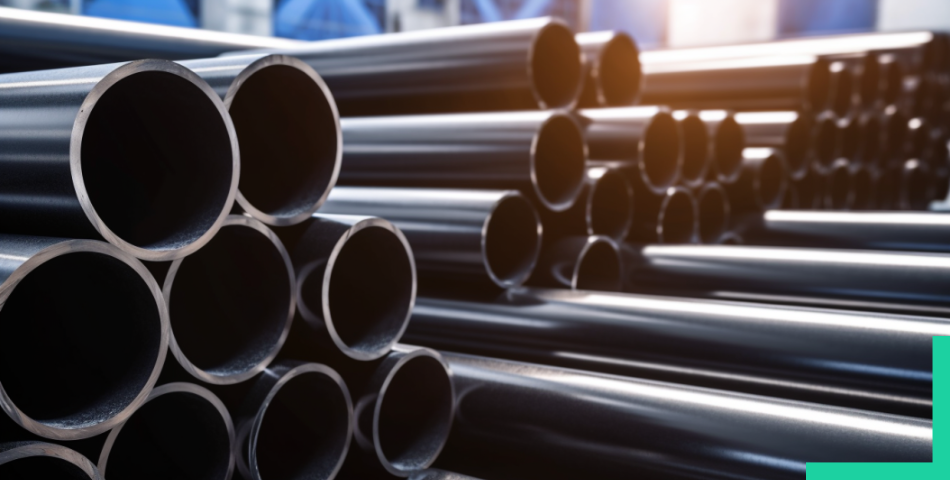
Iron and steel production is responsible for around 7% of global CO2 emissions – with crude steel production still largely relying on the most polluting methods based on coal. To meet the demand for more sustainable products, companies around the world increasingly market their steel products as ‘sustainable’ often without taking any real action.
How can ‘green’ steel labels falsely inflate environmental credentials?
This is possible because a clear definition of green steel is lacking. This creates confusion for what counts as green steel. Without a clear and ambitious definition, steel manufacturers will keep stealing green attributions from innovative producers that are really making a change in their production methods. In this context, our factsheet looks at five tactics that companies use marketing and methodological tricks to label their steel as green. For example:
- Minimal CO2 emissions reductions in the most polluting route.
- Unclear quantification of results and minimal data.
- Limited publicly available data of processes.
- Privately held internal credit banks that limit public scrutiny.
- Limited verification by third parties.
How to ensure accurate and reliable steel labels? – ECOS recommendations
Decarbonising steel must be a global priority. Accurate labels relying on a common definition are an essential first step. Labels can inform consumers about a product’s climate impacts and drive innovation to reduce emissions, so it is important we get them right as they are made mandatory. For steel and beyond, ECOS wants labels defining what is green to:
- Reward best performers and push the worst technologies off the market.
- Maintain the physical connection between claim and product.
- Support decarbonisation and better circularity simultaneously.

