 By
By
 By
By
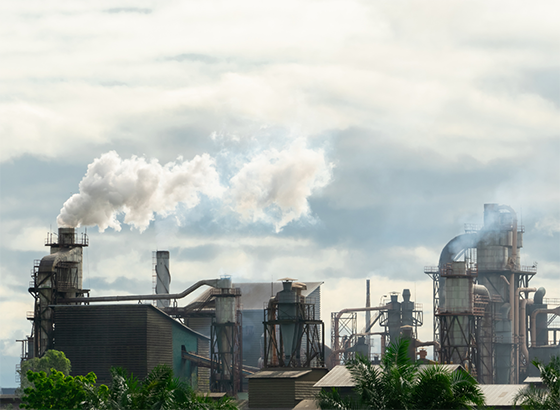
The International Organisation for Standardisation (ISO) and the Greenhouse Gas Protocol (GHG-P) decision to create common emissions accounting standards has the potential to streamline and simplify procedures. However, this must be done in a way that lifts climate ambition, write Carbon Market Watch’s Benja Faecks and ECOS’s Thea Lyngseth.

In the name of "simplification", the European Commission wants to roll back vital environmental protections with an "Environmental Omnibus" – and they’re asking for your opinion. We have just ten days to speak up before it’s too late. Tell them to keep their hands off nature.

 By
By
The European Commission is revising the current EU Bioeconomy Strategy and refers to a “regenerative” bioeconomy, suggesting something sustainable - but without an agreed definition, this can lead to misleading claims, or even greenwashing, whilst detracting from ecologically sound approaches.

 By
By
 By
By
To manage global resources sustainably, we must make our appliances last longer and be more energy and material efficient, write Mathieu Rama of ECOS and Isabel Lopez Neira of ANEC. A new European standard has started this process for washing machines, introducing a new method for testing how durable they are before being sold. This is a first step towards unlocking the full load of environmental and consumer benefits.
 By
By
 By
By
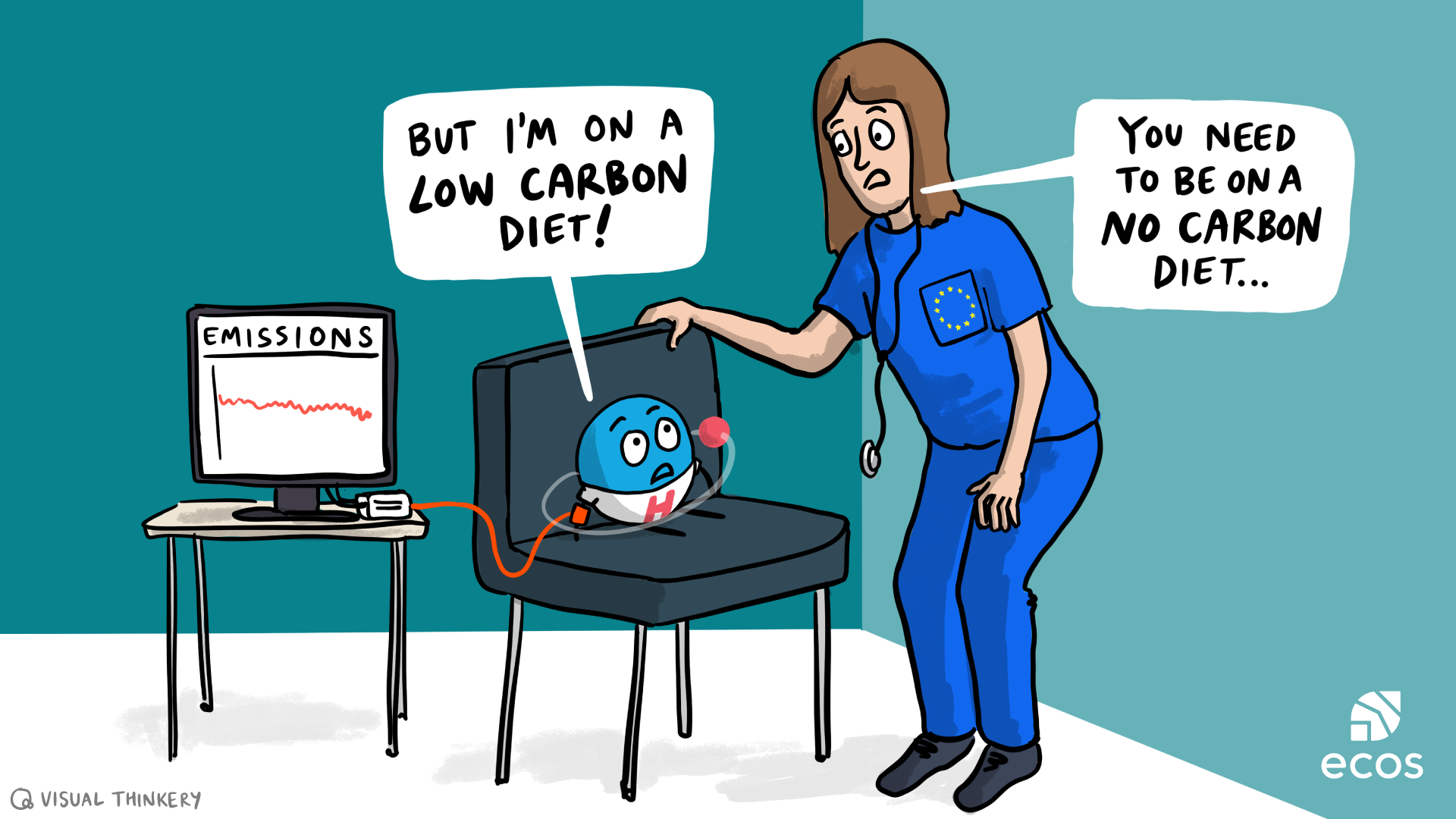
The European Commission is about to set new rules on how to calculate greenhouse gas emissions from hydrogen production, defining what can be classified as ‘low-carbon’. What methods and definitions are the most accurate, and how can they be integrated into EU law? Find out in our blog.
 By
By
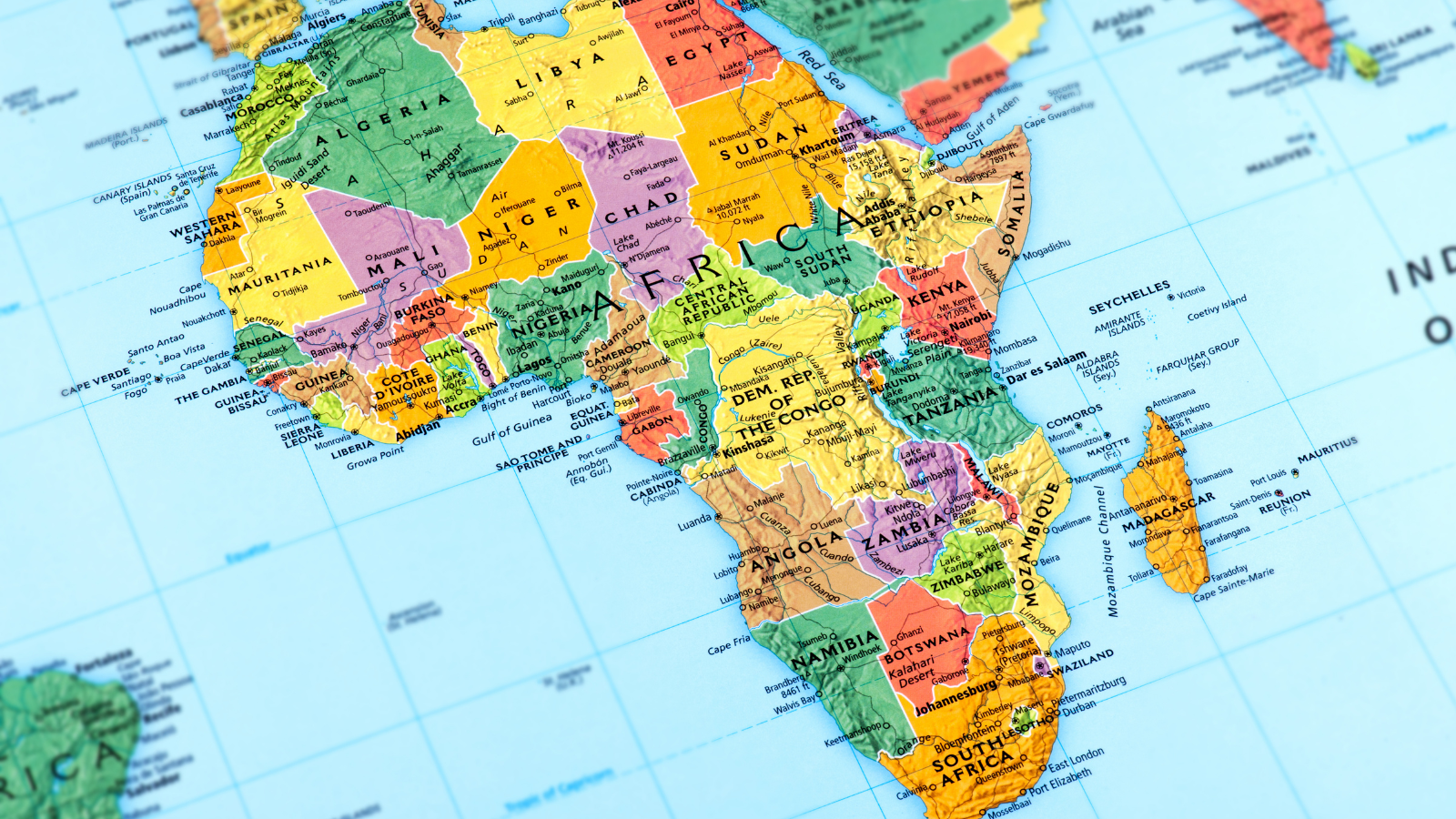
Every year in June, the African Day of Standardisation takes place. In 2025, ECOS will join ARSO (the African Organisation for Standardisation) and other key stakeholders in celebrating together as part of the ARSO week and in support of the ARSO-ECOS partnership agreement on environmental aspects of standards development in Africa. What role do standards play in Africa? How do ARSO, ECOS, and other stakeholders fit in? What are this year’s priorities? Find out below.

ECOS is looking for experts in the field of heating appliances in the built environment to represent and defend environmental interests in the development of standards and related policies. Our experts provide us with technical and scientific input and represent ECOS in standardisation processes and multi-stakeholder discussions. Apply before 11/07/2025!
ECOS is co-funded by the European Commission and EFTA

 Funded by the European Union. Views and opinions expressed are however those of the author(s) only and do not necessarily reflect those of the European Union or EISMEA. Neither the European Union nor the granting authority can be held responsible for them.