
 By
By
ECOS and 15 other leading industry players, NGOs, think tanks and investors are calling Members of the European Parliament to adopt ambitious Minimum Energy Performance Standards in the EPBD recast.

 By
By
F-gases have a huge greenhouse effect – yet they are widely used in cooling appliances such as air conditioners and freezers. The good news is that two recently updated international standards could start turning the tide. However, in Europe, red tape is holding up advancements. European institutions and national governments must weigh in for a speedier adoption.
 By
By
 By
By
 By
By
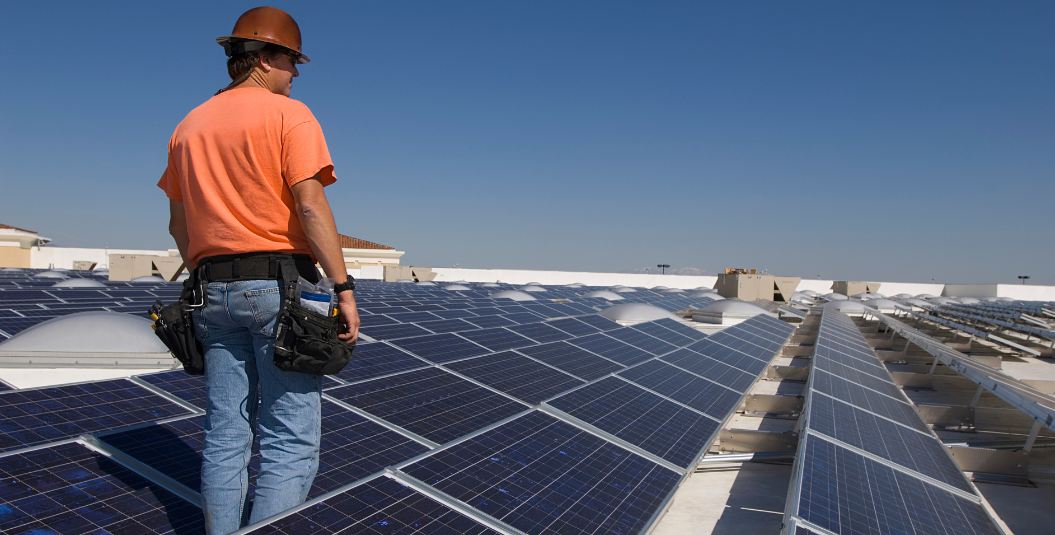
A new European Commission proposal for ecodesign and energy labelling rules for photovoltaic panels (PVs) and inverters takes promising steps to make solar energy even cleaner, as panels are set to generate an ever-increasing proportion of Europe's energy supply. A pioneering carbon footprint threshold for solar panels is also on the cards.

The next months are key to determining what kind of sustainability data companies will disclose. To transform into an economy within planetary boundaries, we call on the ISSB to develop standards that require reporting on impact data, go beyond climate, and ensure climate-related disclosures are sufficiently granular to be meaningful.

In June this year, ECOS members got together at the Annual General Assembly and elected three new members to our Executive Committee. Get to know the new faces providing strategic direction to the Secretariat!

This year's training will combine a comprehensive course on standards and the environment with tailor-made breakout sessions for ECOS members & experts.

 By
By
 By
By
Cement is omnipresent in modern life, serving as the key binder in concrete and mortar products. We find cement everywhere: in our roads, bridges, major buildings. However, while cheap to produce, it comes at a high cost for the environment.
ECOS is co-funded by the European Commission and EFTA

 Funded by the European Union. Views and opinions expressed are however those of the author(s) only and do not necessarily reflect those of the European Union or EISMEA. Neither the European Union nor the granting authority can be held responsible for them.