
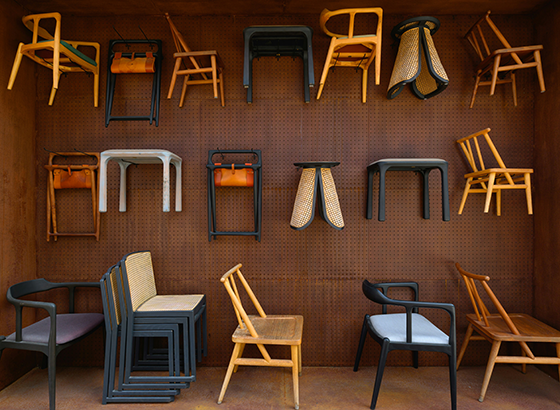
ECOS is looking for experts in the field of furniture to represent and defend environmental interests in the development of standards and related policies. Our experts provide us with technical and scientific input and may represent ECOS in standardisation processes and multi-stakeholder discussions.
 By
By
 By
By
The EU process to set mandatory ecodesign requirements on furniture to improve their environmental performance has begun and ECOS recently submitted a response to the European Commission’s survey. Learn more about what ecodesign for furniture means in an excerpt from an interview with industrial designer, Christine Birkhoven.

Interested candidates should be able to demonstrate in-depth technical and scientific knowledge on decarbonisation pathways for the future concrete and steel value chain. They should have a good understanding of international, regional, and national building codes, polices, and standards concerning construction materials and the construction of buildings and infrastructure.
 By
By
 By
By
 By
By
 By
By
The EU’s most ambitious push for sustainable products entered into force two years ago with the ESPR. Since then, product groups have been prioritised, destroying unsold footwear and apparel was banned, a new ecodesign forum has been established, and new standards are being developed. Read on to learn about the current state of ecodesign in the EU.
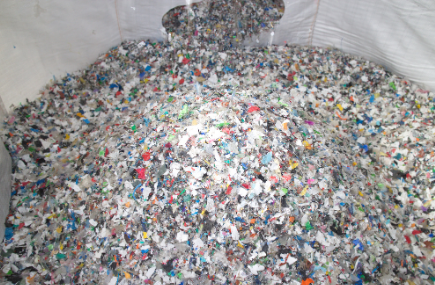
Interested candidates should be able to demonstrate in-depth technical and scientific knowledge on one or several sources of microplastics, as well as effective emission abatement strategies or pellet loss calculation methodologies. They should have a good understanding of state-of-the-art methodologies to detect and characterise microplastics in different biota, as well as about research into associated ecological impacts and risks to human health. Knowledge of plastics and textiles policies at international or national level will be considered an asset.

We are looking for an enthusiastic Communications Officer to support our public communications, with a focus on circular economy topics, and help create impact through innovative communications strategies. Your key challenge will be to translate our love of technical environmental policies and processes into clear and engaging narratives and to grow our impact in circular economy, nature protection and restoration, and horizontal standardisation.

ECOS is looking for experts in the field of methane emissions to represent and defend environmental interests in the development of standards and related policies. Our experts provide us with technical and scientific input and represent ECOS in standardisation processes and multi-stakeholder discussions. Apply by 6 September!
ECOS is co-funded by the European Commission and EFTA

 Funded by the European Union. Views and opinions expressed are however those of the author(s) only and do not necessarily reflect those of the European Union or EISMEA. Neither the European Union nor the granting authority can be held responsible for them.