
Microplastics pollution: less is more
In September, ECOS joined the ISO working group on the characterisation of (micro)plastics leaked into the environment (ISO/TC 61/ SC 14/WG 4). Within this group, we will help develop principles and methods to assess and characterise (micro)plastics contamination in the environment (e.g. water) and materials.
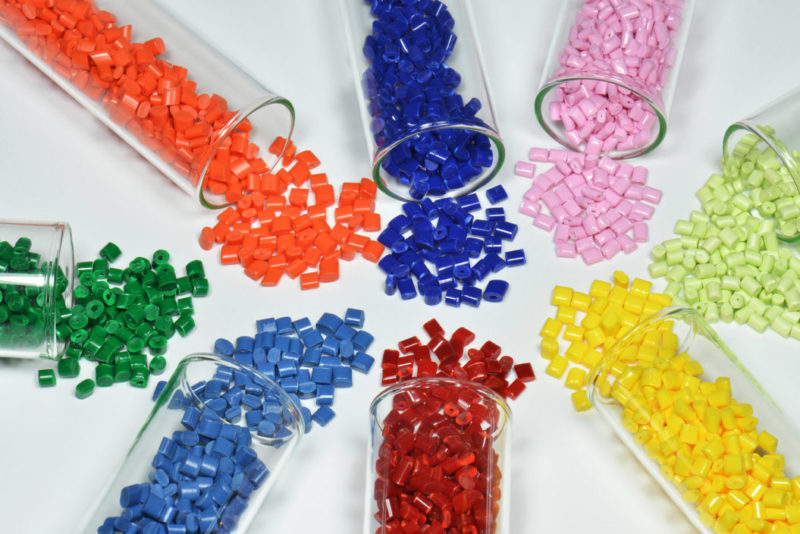
Standardised methods are needed to consistently inform policy makers and stop the proliferation of (micro)plastics pollution. This will complement our work targeting the main sources of microplastic pollution, i.e. tyres, insufficient biodegradation criteria, intentionally added microplastics in products or pellet loss.
Regarding the latter, ECOS is taking part in pilot work to find ways of increasing corporate transparency. The Government of Scotland is leading a multi-stakeholder group aiming to develop a framework applicable to all the actors with the potential to leak pellets into the environment. The aim of this framework is to verify pellet loss prevention measures at the sites of pellet suppliers and share this information with the clients downstream in the chain. Made mandatory, such a supply chain approach would lead to 95% pellet loss reduction. It is important that this framework does not use a mass balance approach, which would allow supply chain actors to make green claims even though their supply chain is not entirely clean.
We hope that such a pellet loss approach will be proposed as part of the next Circular Economy Action Plan by the European Commission, who have repeatedly stated their intention to tackle pellet loss in plastic supply chains.

