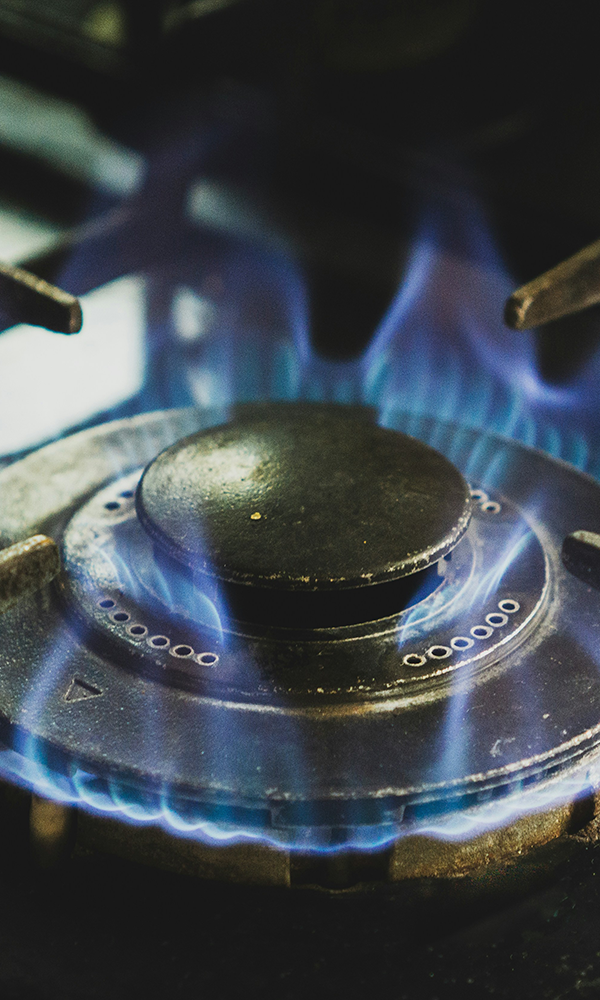
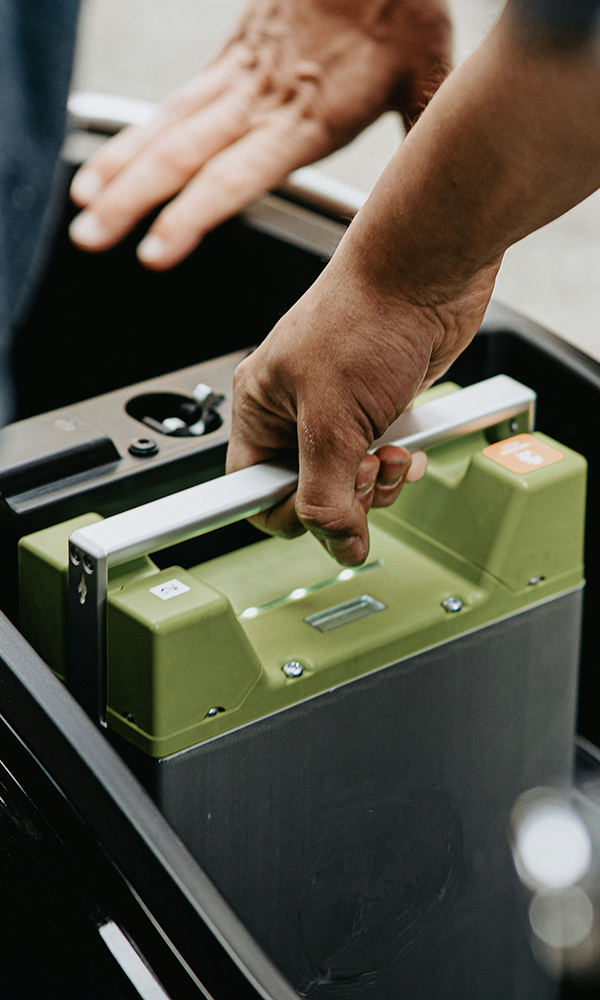
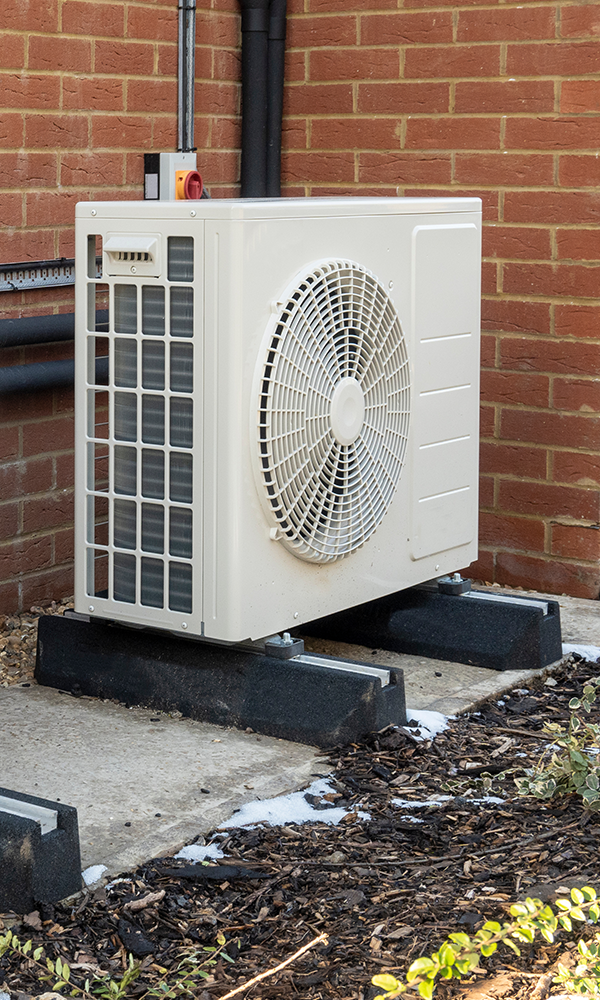
Heating, cooling, and cooking accounts for a staggering 85% of energy used globally – with 76% of that coming from fossil fuels. This pollutes more than all the cars in the EU combined. The way we consume energy must change – including how we heat and cool buildings, how we cook food, and how we use batteries (particularly for electric vehicles). Transitioning away from fossil fuels to renewable energy is a must. We must stop installing new fossil fuel-based devices as soon as possible, exchanging them for appliances and systems that use renewable electricity. ECOS works to make this a reality through standards, policies, laws, and campaigns.
Alliances and campaigns






ECOS is co-funded by the European Commission and EFTA

 Funded by the European Union. Views and opinions expressed are however those of the author(s) only and do not necessarily reflect those of the European Union or EISMEA. Neither the European Union nor the granting authority can be held responsible for them.