Used textiles and textile waste: Lessons and insights from Kenya
 By
By  By
By  By
By To better understand the trade in used textiles and textile waste, we are engaging with and learning from key partners in Kenya. Their valuable insight can help develop effective end-of-waste criteria in the EU and address the negative impacts of importing used textiles and textile waste.

Europe faces major challenges managing discarded textiles, including textile waste. Only a fraction of used textiles collected in the EU are sold locally in the EU – the majority is exported. Discarded textiles are sorted and sold to commercial resellers who export them from Europe, alongside unsorted textiles.
In 2023, 1.4 million tonnes of used textiles were exported from the EU (20% of the total textile waste generated) – an amount that has almost tripled since 2000. During this period, African countries imported the majority of used textiles from the EU, but exports to Asian countries grew, with both regions accounting for nearly 90% of EU used textile exports by 2023.
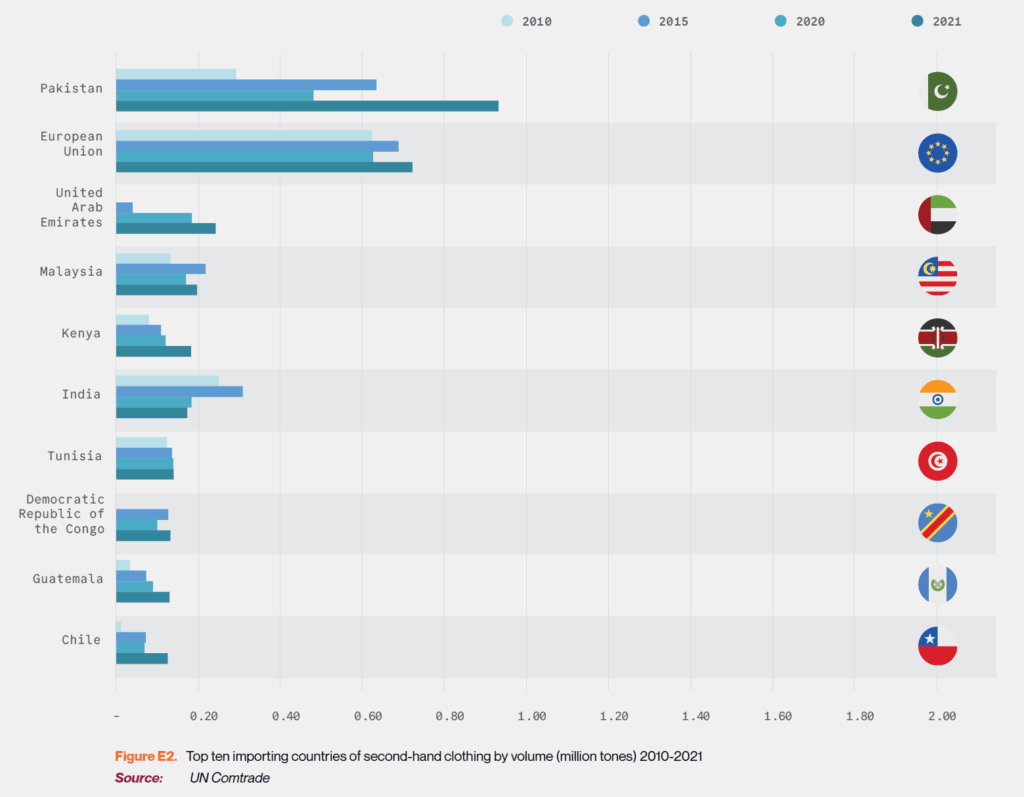
UN figures from 2021 show that the top ten countries/regions importing used clothing are Pakistan, the EU, UAE, Malaysia, Kenya, India, Tunisia, DRC, Guatemala, and Chile.
Discarded or (re)used – When is the end of waste?
Discarded textiles are typically classified as waste – but EU end-of-waste criteria establish clear rules for when discarded textiles can be considered fit for reuse. These criteria are important to ensure that textiles, which have a significant environmental footprint, can continue to have a second, or even third, life. Such criteria will be very useful for a whole range of stakeholders, including second-hand operators and traders, charities, recyclers, municipalities, governmental agencies, and informal sector operators, among others.
End-of-waste criteria play an important role in ensuring that textiles that are fit for reuse are of high quality and meet the requirements of countries importing used textiles. In this way, end-of-waste criteria can prevent the export of textile waste that is wrongly labelled as “used textiles”, thus reducing the risk that items unsuitable for reuse end up being dumped or released into the environment. One of the challenges for setting end-of-waste criteria for textiles, however, is that these criteria cannot determine if a textile item will actually be reused, as it ultimately depends on factors such as market demand.
Considering the size and impact of the second-hand clothing trade in Kenya, it is hugely relevant to end-of-waste criteria in the EU. We spoke to civil society, industry representatives, informal sector operators, such as waste-pickers, and other key stakeholders, who are working locally in Kenya in the used textiles value-chain – notably environmental management agencies, recyclers, and the Kenyan National Standardisation Body. Through workshops, questionnaires, and interviews, we gathered their insights on the draft EU end-of-waste criteria and drafted a set of policy recommendations that we submitted to the EU consultation.
In Kenya, the trade of second-hand clothing can extend the life of garments, support job creation, and make affordable clothing available. There are, however, risks for local traders, such as poor-quality clothing, garments that contain hazardous materials, or shipments that include waste, all of which pose financial losses. These risks can also contribute to pressure on local waste management systems, communities and the environment. The infrastructure for collecting, sorting, and recycling textile waste in Kenya is still limited. More companies are emerging to manage textile waste, but more financial resources are needed to scale textile waste management solutions.
Local insights from the second-hand clothing trade in Kenya
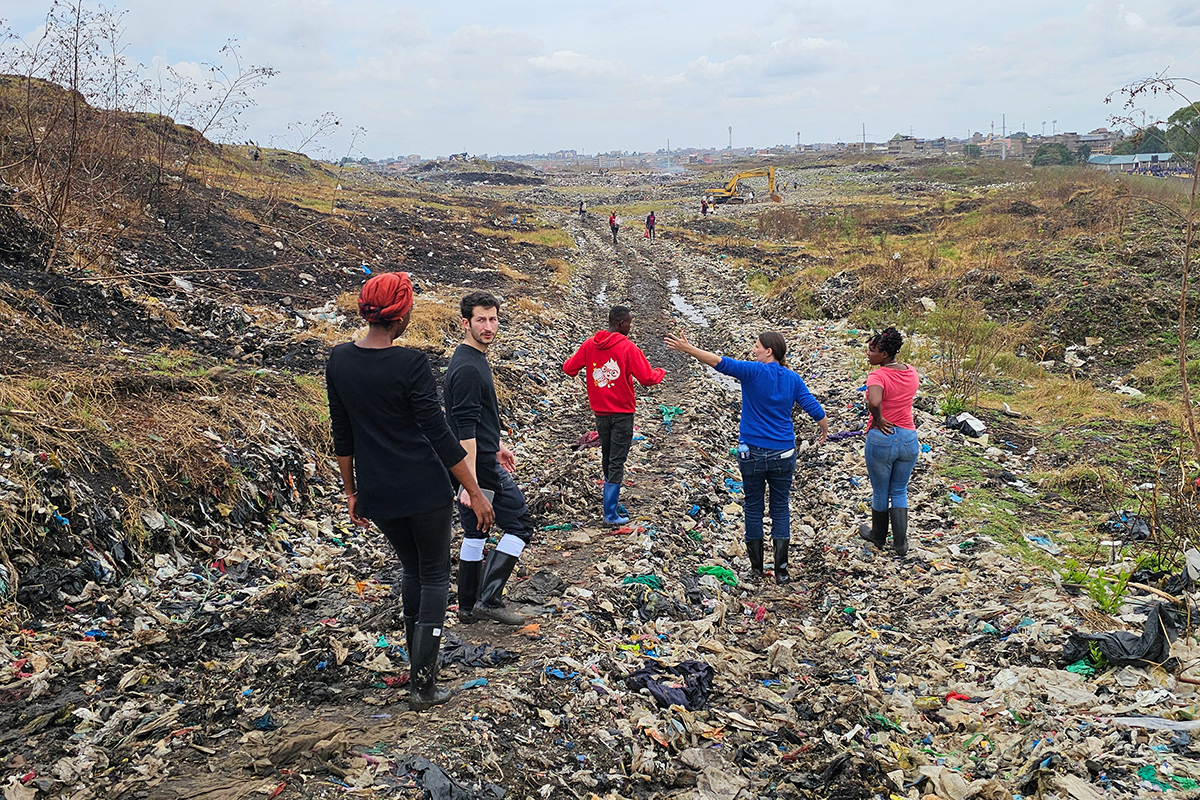
The Nairobi Recyclable Waste Association is a group of waste-pickers that represent the voice of community level waste management; they invited members of the ECOS team to visit the Dandora dump site, one of the largest in Africa. Here, the waste-pickers discussed their critical role in the national circular economy and provided insights on the source and destination of textiles in the dumpsite. Some textiles are repaired and reused, but this highly depends on their origin and if they are contaminated or soiled. Most of the textiles that arrive at the dumpsite are burned. Unlike other product streams, textile recycling is not as advanced, and the available feedstock is rarely suitable for existing recycling facilities.
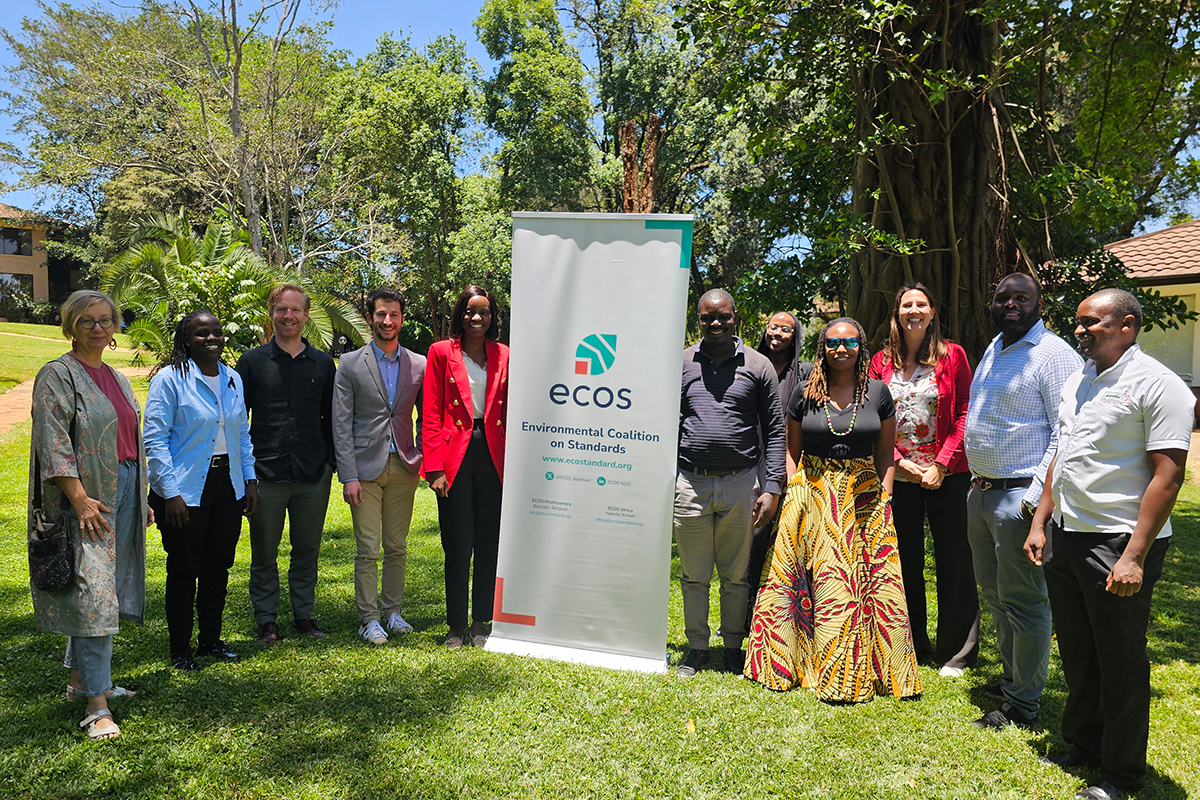 We also had the opportunity to hear from recyclers, organisations working in the Extended Producer Responsibility (EPR) schemes for textiles, waste-pickers, and civil society organisations. During a workshop we organised in Nairobi, we exchanged in-depth perspectives on the necessary requirements for an effective and inclusive EPR scheme at the national and global levels, and we discussed specific end-of-waste criteria proposed by the EU.
The Mitumba Consortium Association of Kenya, an association representing importers of and traders in second hand clothing in Kenya, gave further insights on the trade of second-hand clothes. We learnt valuable lessons from wholesalers and retailers at the Gikomba second-hand market, who discussed their experiences working with imported bales, suppliers, and country of origin.
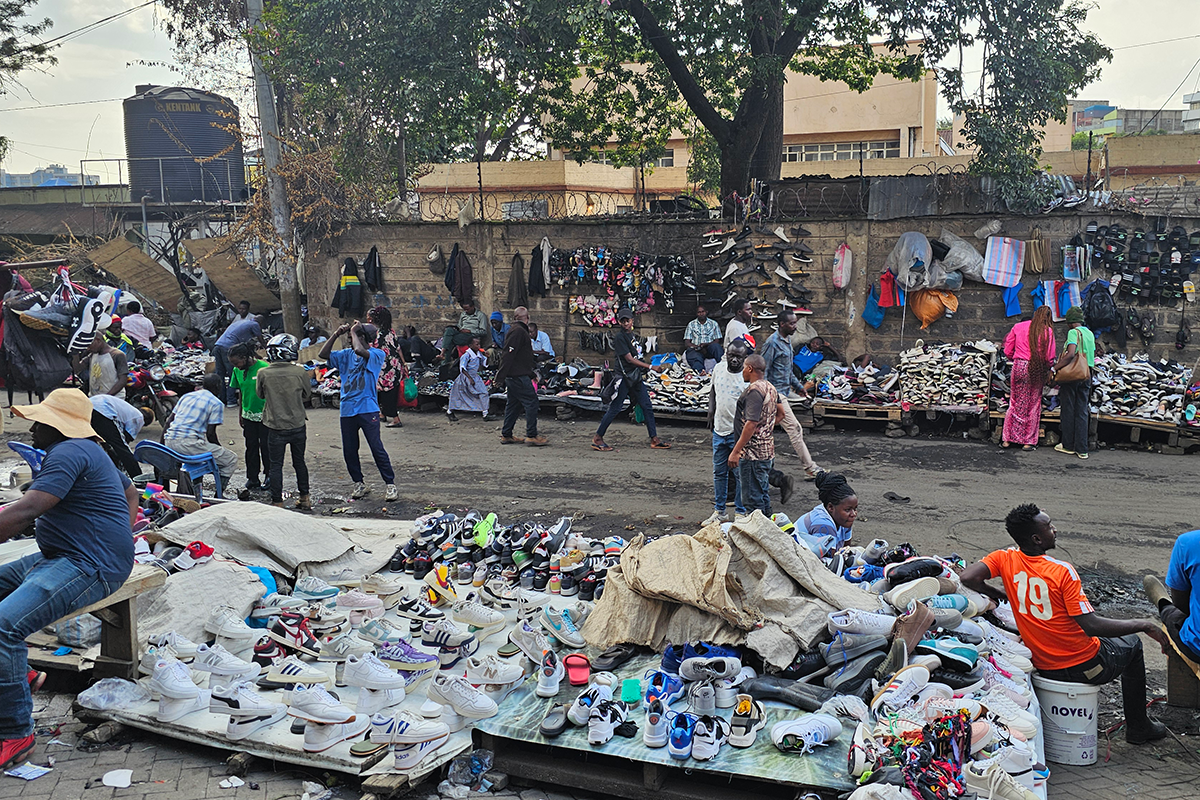
Criteria for reusable clothing
Speaking to recyclers and organisations who are involved in the discussions around the EPR for textiles – we heard that the EU’s proposed end-of-waste criteria for textiles reflect the most important criteria, which are also considered in the Kenyan standard KS EAS 356-2024 Requirements for inspections and acceptance of used textile products. However, garments that pass visual inspections do not always last long, as the quality of clothes is starkly declining – or they might not be sold if they do not match the sizes and styles that are of interest to local consumers, known as “demand characteristics”. Though ecodesign requirements could help address this challenge; ideally only high-quality used textiles, which are relevant to the culture and climate of Kenya, should be imported.
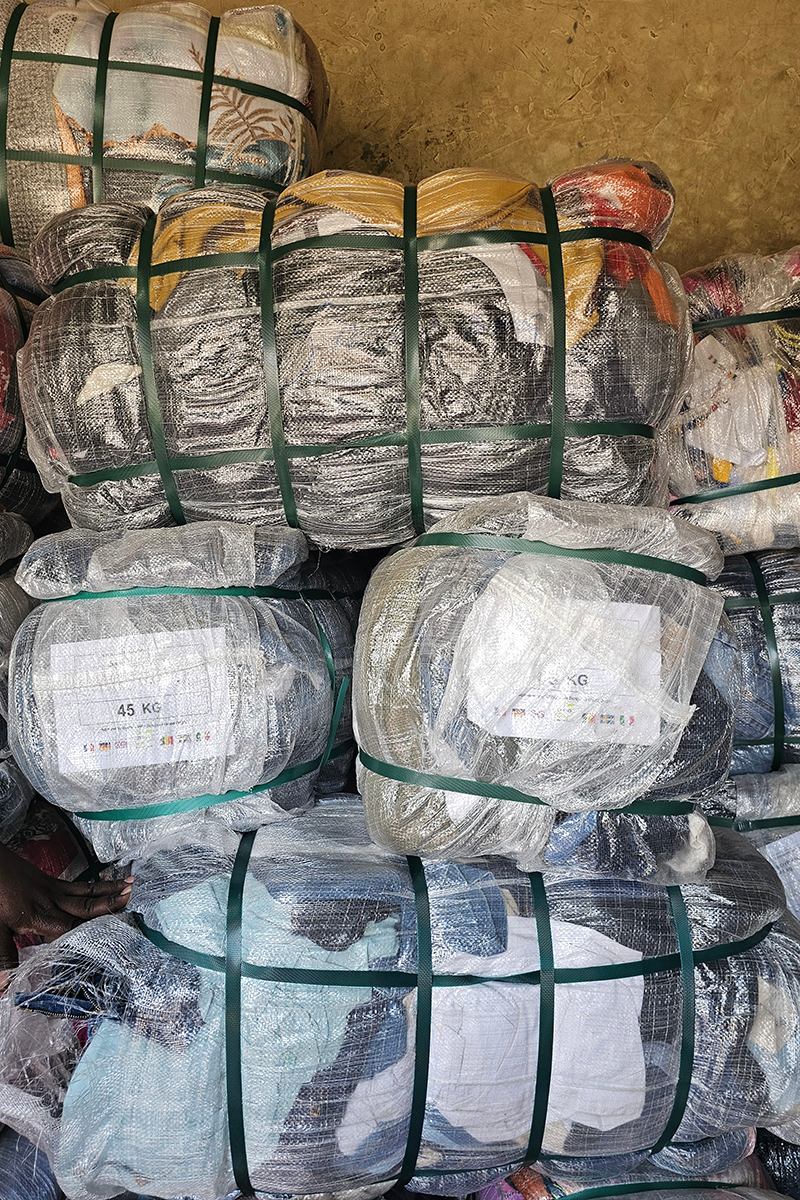
These demand characteristics will differ depending on the importing region or country – for example, clothes originally sold in EU countries with colder climates may not always be suitable for Kenya. The style, colour, shape, size, or type of clothing are all factors that influence if a product will be bought second-hand – because body types and sizes, as well as fashion tastes and climates may differ between geographies. Considerations around reusability should be sensitive to different destination markets, however end-of-waste criteria might not be specific enough to capture the specificities of each receiving country. We therefore suggest that bales of used textile should gather pieces of clothing that are homogeneous in terms of category of user – men, women, or children’s wear – as well as size, style, season of use, and quality grading based on a harmonised grading system. That could help avoid any undesired surprises.
A global Extended Producer Responsibility scheme
To properly handle the flow of used textile imports, countries need financing for waste management infrastructure, including collection, sorting, preparation for re-use, and recycling infrastructure. A global EPR scheme for textiles would create a system where, for example, those who first bring items to the EU market are responsible for financing the collection, sorting, preparation for reuse, and recycling infrastructure in countries that import their used textiles and textile waste, for instance Kenya. Such an EPR scheme would help keep textiles in circulation, and also finance their end-of-life waste management, even if it occurs outside of the EU.
The EU needs to recognise both its role and responsibility in the global trade of used textiles and textile waste, and work directly with importing countries to ensure that financial resources from countries where items were originally placed on the market are channelled to manage what eventually becomes waste.
We stand ready to work with our partners, members, and experts who are active across the value chain of textiles, including waste management. Together we will work to reduce the environmental impact of textiles.

