From the ground up: decarbonising infrastructure and buildings in Ghana, Kenya, and South Africa
 By
By  By
By  By
By Research shows that by 2050, Africa's population will increase by about 60%. Two-thirds of the infrastructure and buildings required are yet to be built, ushering in an unprecedented wave of construction—and potentially, pollution.
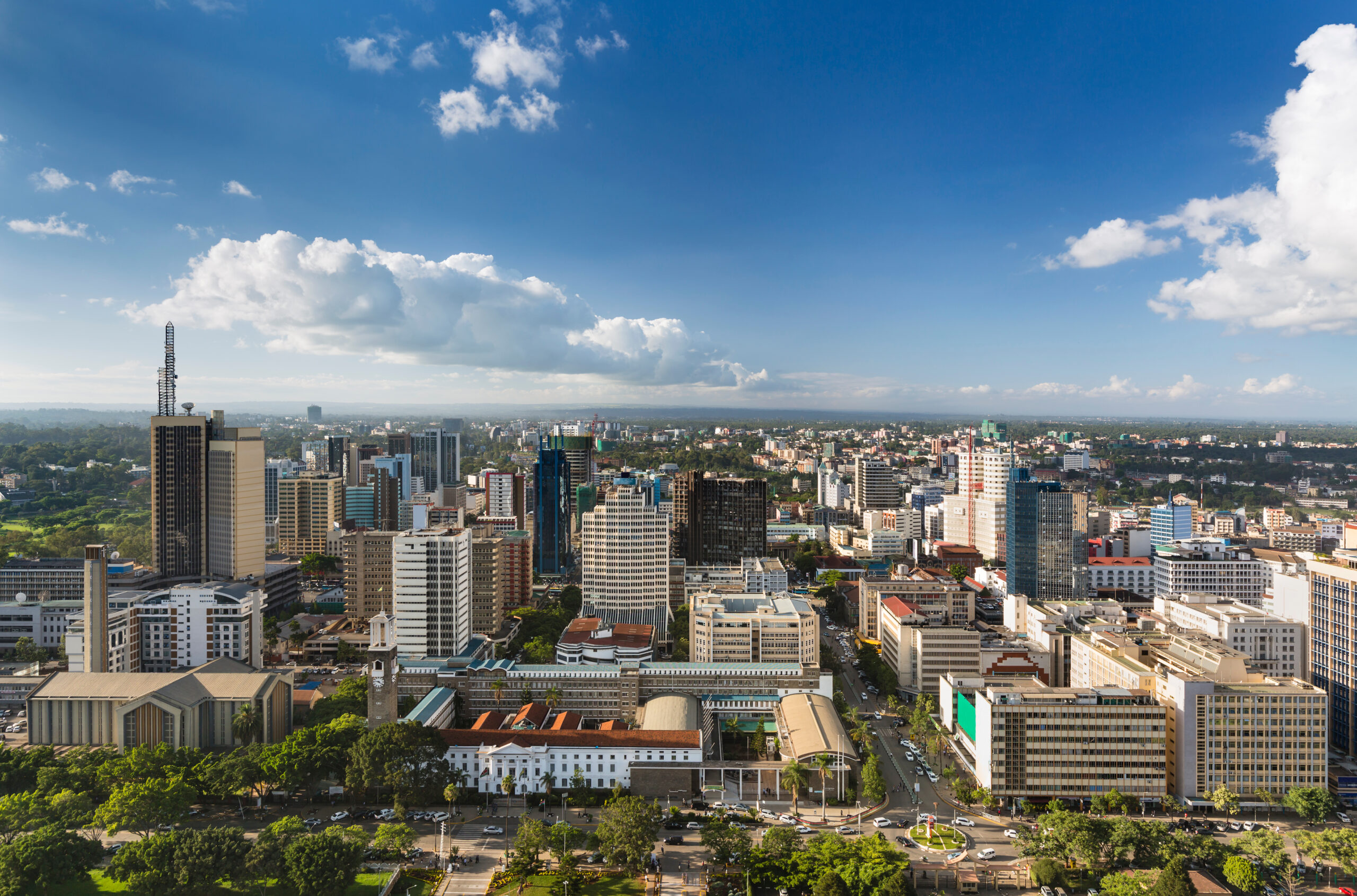
The most used building materials, cement and concrete, account for 8% of global CO2 emissions. If this construction boom follows business-as-usual practices, it risks significantly increasing global emissions—at a time when many African countries are already experiencing the harsh impacts of climate change.
Fortunately, another path exists. A wide range of low-carbon construction materials are ready to be scaled up, and even more are emerging. For cement and concrete
A strong standards framework is essential, but Green Public Procurement (GPP) also has a role to play in accelerating demand. Governments are among the largest buyers of construction materials. By embedding low-carbon requirements into public procurement rules, they can create strong, reliable demand for greener materials and building methods.
ECOS has long advocated for policies and standards that promote decarbonisation—and along the way we have learned that the triple planetary crisis knows no borders. From vernacular materials to clinker substitutes based on agricultural ashes, the world has a lot to learn from African nations about producing innovative construction materials.
That is what brings us to a new project focusing on Ghana, Kenya, and South Africa. By working together with local organisations and experts, we can create a platform for mutual capacity building, sharing best practices, and ensuring more environmental stakeholders are heard when standards are made.
Collaboration is at the heart of this project. Together, we want to build a critical mass for the inclusion of low-carbon construction materials in standards. From bridging regional experiences to improve public procurement to raising the visibility of alternative construction materials through our communication channels – we want to hear from you.
Our call for experts is open until 18 February 2026. Make sure to apply or share if you know just the right candidate. If you want to get in touch, contact Marxine Waite, our Senior Programme Manager based in Nairobi: marxine.waite@ecostandard.org.

